


Brown Recluse & Black Widow Spiders in Missouri
Missouri is home to two medically significant spiders: the brown recluse and the black widow. Both are common in the St. Louis area, both become more active as temperatures rise in spring, and both can deliver bites that require medical attention.
The good news: with the right knowledge and prevention habits, you can significantly reduce your risk. Here’s what every Missouri homeowner should know.
Brown Recluse: Missouri’s Most Common Dangerous Spider
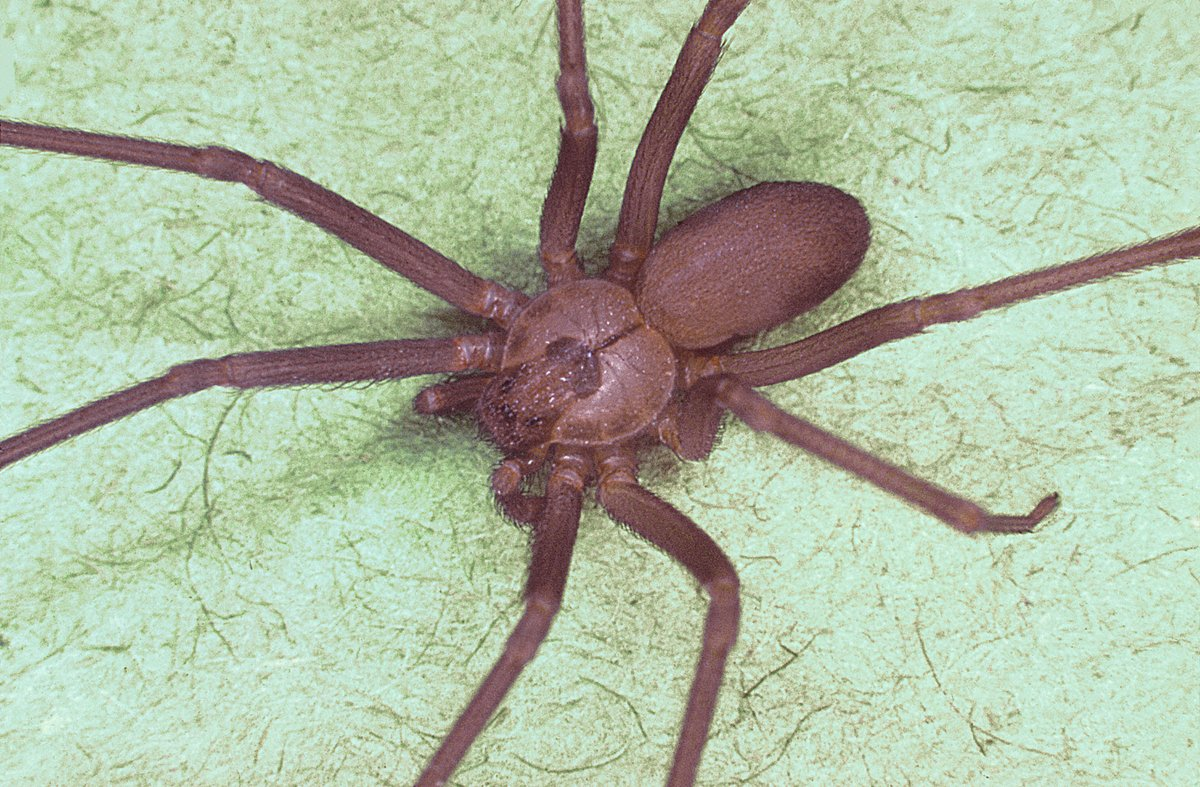
The brown recluse (Loxosceles reclusa) is one of the most common spiders in Missouri. Studies have found homes in the state harboring hundreds to over a thousand brown recluses often without the homeowners ever being bitten. They’re called “recluse” for a reason: they avoid human contact and only bite when trapped against skin.
How to Identify a Brown Recluse
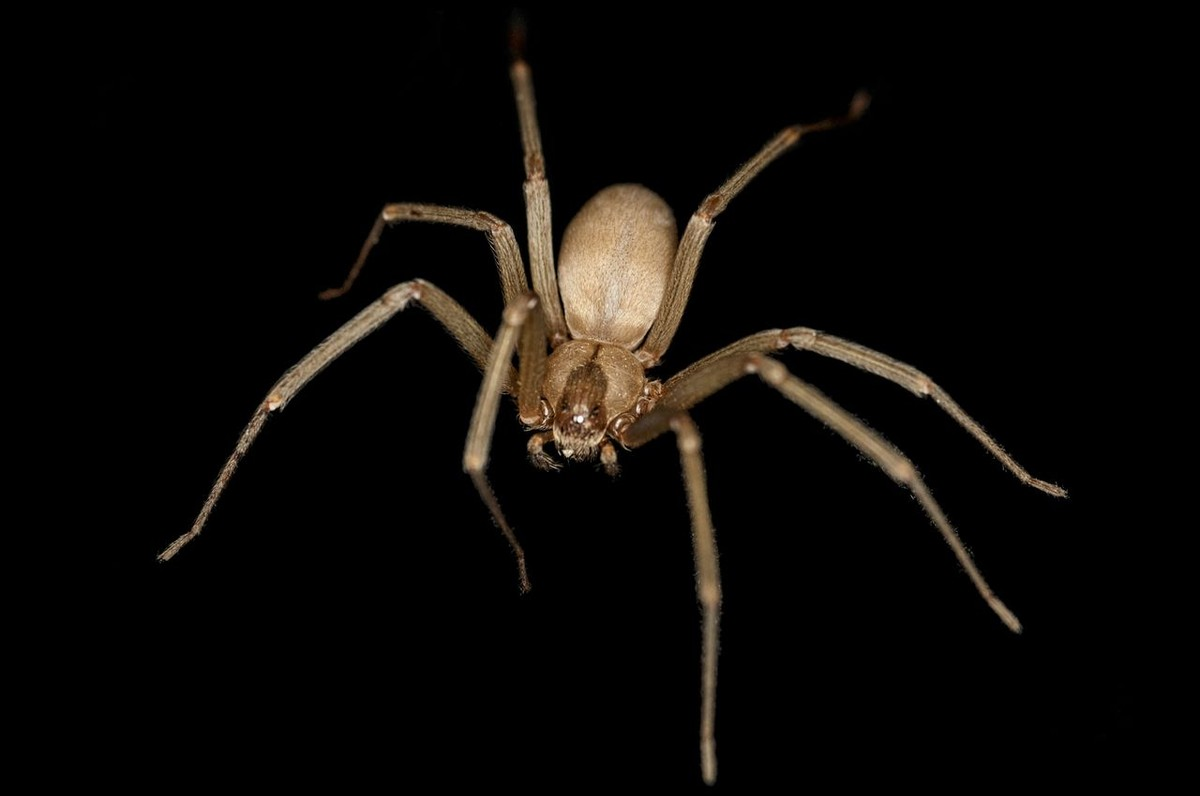
‣ Color: Light brown to tan, uniform color on legs (no stripes or bands)
‣ Marking: A dark, violin-shaped mark on the cephalothorax (the front section behind the eyes). The “neck” of the violin points toward the abdomen.
‣ Eyes: 6 eyes arranged in 3 pairs (most spiders have 8 eyes)
‣ Size: About the size of a quarter with legs extended (body is 1/4 to 3/8 inch)
‣ Legs: Long, thin, uniformly colored, no spines or visible hairs
Where They Hide
Brown recluses prefer dark, undisturbed areas. In homes, that means:
‣ Closets and clothing storage especially items that haven’t been worn recently
‣ Cardboard boxes their favorite nesting spot
‣ Behind furniture and pictures on walls
‣ Attics and crawlspaces
‣ Garages and sheds
‣ Inside shoes, gloves, and folded linens
‣ Under sinks and behind baseboards
Brown Recluse Bites
Most brown recluse bites occur when a person puts on clothing, shoes, or gloves that a spider has been hiding in, or rolls onto one in bed. The bite itself is often painless initially as many people don’t realize they’ve been bitten for several hours.
What can happen:
‣ Mild reaction (most common): Redness, swelling, and mild pain that resolves in a few days
‣ Moderate reaction: A blister forms at the bite site, surrounded by redness. The blister may open and become an ulcer that takes weeks to heal.
‣ Severe reaction (less common): Necrotic lesion is the tissue around the bite dies and creates an open wound that can take months to heal and may require medical treatment
If you suspect a brown recluse bite: Clean the area, apply ice, and see a doctor. If possible, capture the spider for identification.
Black Widow: Less Common, More Dangerous
The southern black widow (Latrodectus mactans) is found throughout Missouri but is less common in homes than the brown recluse. Black widows prefer outdoor habitats woodpiles, rock walls, outbuildings, and cluttered garages.2
How to Identify a Black Widow
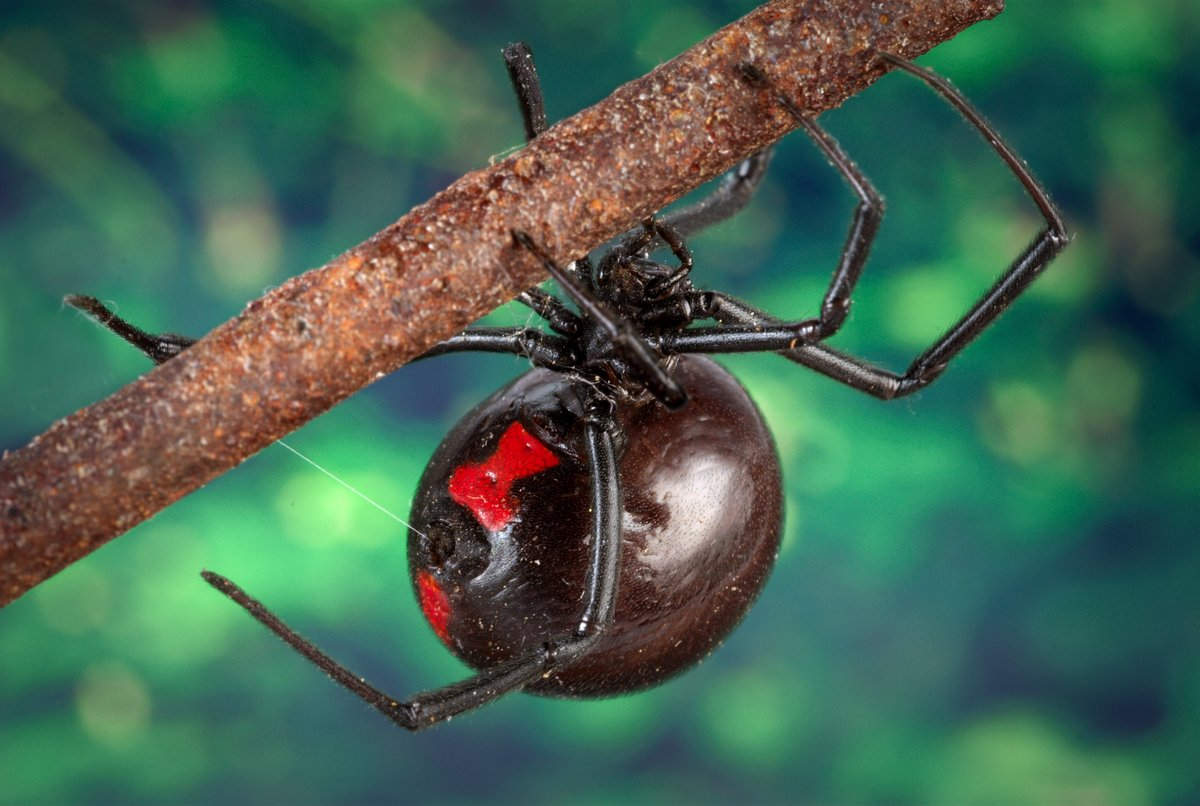
‣ Color: Shiny, jet black
‣ Marking: Red hourglass shape on the underside of the abdomen (females only)
‣ Size: Female body is about 1/2 inch; with legs, about 1.5 inches across
‣ Web: Irregular, tangled web not the neat orb webs you see in gardens
Where They Hide
‣ Firewood stacks
‣ Rock walls and landscape timbers
‣ Under outdoor furniture
‣ Inside meter boxes and utility covers
‣ Garages, sheds, and outbuildings
‣ Under decks and porches
Black Widow Bites
Black widow venom is a neurotoxin — it affects the nervous system. Bites cause immediate, sharp pain followed by:
‣ Muscle cramping (especially in the abdomen, back, and shoulders)
‣ Nausea, sweating, and elevated blood pressure
‣ Symptoms peak at several hours and can last 24–72 hours
Black widow bites are rarely fatal in healthy adults but can be serious for young children, elderly individuals, or those with compromised health. Seek medical attention immediately if bitten.
Why You’re Seeing More Spiders in Spring
Spider activity increases in spring for two reasons:
1. Their food source increases. As insects become active in spring ants, flies, mosquitoes, beetles — spiders that feed on them become more active too. More bugs = more spiders.
2. They’re reproducing. Many spider species mate in spring, and females seek sheltered areas to lay egg sacs. A single brown recluse egg sac can contain 40–50 spiderlings.
This is why the best spider prevention is general pest prevention. Reduce the insect population in and around your home, and you reduce the spiders that follow them.
Professional Spider Treatment
Our spider treatment uses a combination approach that addresses both the spiders and the insect population attracting them:
✅ Exterior Treatment
‣ Dust application in siding channels, soffit gaps, and entry points where spiders nest
‣ Cobweb removal around the full perimeter disrupts established nests and removes egg sacs
‣ Perimeter spray targeting areas where insects congregate (exterior lights, door frames, window frames)
✅ Interior Treatment
‣ Crack-and-crevice treatment in closets, basements, garages, and storage areas
‣ Focus on the dark, undisturbed spots brown recluses prefer
‣ Glue board monitoring in key areas to track activity levels
✅ Ongoing Prevention
‣ Address the underlying insect population that’s attracting spiders
‣ Quarterly service keeps spider populations down year-round
‣ Each visit includes exterior cobweb removal and re-treatment of entry points

Our technicians are trained to identify spider species on sight and target treatment, not just what you see.
Prevention Tips for Homeowners
Once the immediate problem is treated, these habits keep ants from coming back:
1. Reduce clutter in storage areas, fewer hiding spots means fewer spiders
2. Shake out clothing, shoes, and gloves before wearing them, especially items stored in closets, garages, or boxes
3. Seal gaps around doors, windows, pipes, and where utilities enter the home
4. Remove cobwebs regularly inside and outside this disrupts nesting
5. Switch exterior lights to yellow or sodium vapor bulbs they attract fewer insects, which means fewer spiders hunting near your doors
6. Store clothing and linens in sealed plastic bags or totes if they’re in storage
7. Keep beds away from walls and check bedding before use
8. Wear gloves when reaching into storage boxes, woodpiles, or dark areas
Reference
- University of Missouri Extension — Brown Recluse Spiders in Missouri. extension.missouri.edu.
- Truman’s Scientific Guide to Pest Management Operations — Spider biology, identification, and management.
- Missouri Department of Conservation — Venomous Spiders of Missouri. mdc.mo.gov.
Concerned About Spiders? Call Us.
Roberts Pest Control offers professional spider treatment that targets brown recluse and black widow populations using exterior dust application, cobweb removal, and targeted interior treatment. Serving St. Louis, Jefferson, St. Francois, and St. Charles Counties for over 20 years.
314-967-BUGS (2847)
or Email us at [email protected]
Frequently Asked Questions
How do I know if I have brown recluses in my house?
Glue boards (sticky traps) placed along baseboards in closets, garages, basements, and attics are the best detection method. Check them weekly. If you’re catching brown recluses, you have a population. One or two catches per month is not unusual in Missouri homes but if numbers are higher, professional treatment is recommended.
Can I get rid of brown recluses with store-bought spray?
Not effectively. Brown recluses avoid treated surfaces (they don’t walk through spray like cockroaches do) and they live in areas that surface sprays don’t reach. Professional treatment uses targeted dust application in wall voids, cracks, and crevices the actual harborage areas which is far more effective.
Are all brown spiders in Missouri brown recluses?
No. Many harmless spiders are brown and get misidentified. The key identifiers are the violin marking, 6 eyes (not 8), and uniformly colored legs with no stripes. If you’re unsure, snap a photo and contact us we’ll identify it for free.
How long does spider treatment take to work?
You’ll see a noticeable reduction in spider activity within 2–4 weeks. Brown recluse populations take longer to fully suppress because they live in hidden areas and don’t contact treated surfaces as frequently. Quarterly service provides the best long-term results.