



German Cockroaches in St. Louis Homes: A Public‑Health Issue You Can Prevent
German cockroaches are more than an indoor nuisance. Their allergens can affect indoor air quality and trigger asthma or allergy symptoms—especially for children and sensitive adults across the St. Louis Metro.
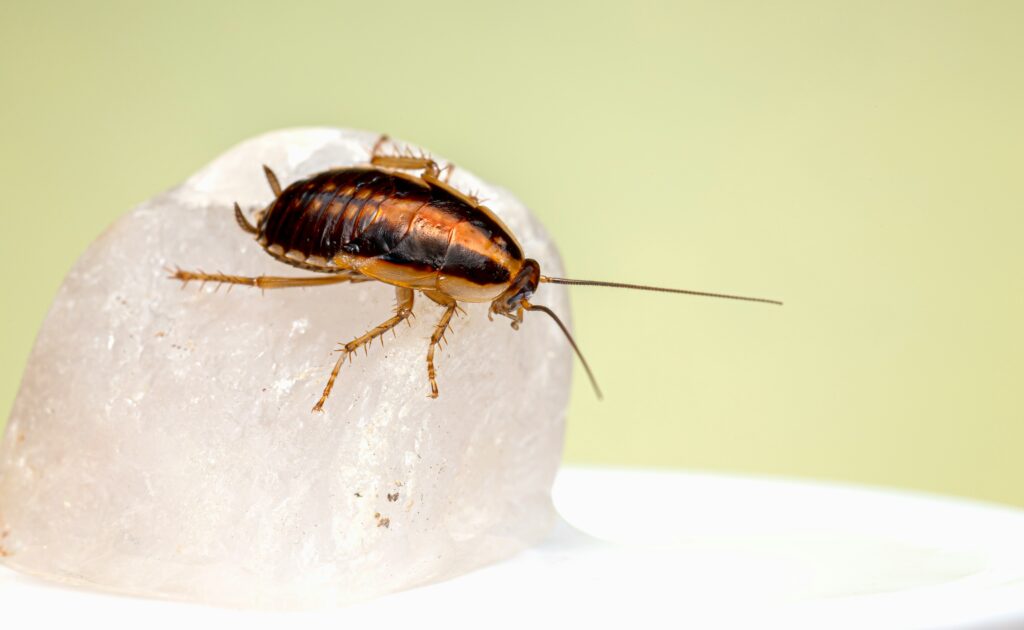
Why German cockroaches matter for public health
German cockroaches leave behind allergens in their droppings, saliva, and body parts. Those particles settle into dust, fabrics, and bedding, and can be stirred back into the air during normal household activity. For anyone with asthma or allergies, that can mean more symptoms and more flare‑ups.
This is why German cockroaches are considered a public‑health concern—not just a pest problem. They thrive indoors, and once they establish in a kitchen or bathroom, allergens can spread well beyond the room where you first notice activity.
Why German roaches are so common indoors
Unlike outdoor “occasional invaders,” German cockroaches are truly indoor pests. They prefer warm, humid spaces with easy access to food and water. In St. Louis County, St. Charles County, and Jefferson County, we most often find German roaches:
- Under or around kitchen sinks
- Behind appliances like stoves and refrigerators
- Inside cabinet cracks and baseboards
- Near plumbing lines and moist crevices
They tend to cluster in tight cracks and crevices near warmth and moisture, which is why a few visible roaches can signal a larger population nearby.
What makes German roaches hard to eliminate
German cockroaches reproduce quickly and are highly adapted to indoor life. Females carry their egg case for most of the incubation period and can release dozens of nymphs at once. This is one reason small infestations can escalate fast—especially in kitchens and bathrooms.
They can also be resistant to some insecticides, which makes a targeted, professional plan more effective than broad “spray and hope” approaches.
Signs homeowners should watch for
- Daytime sightings: German roaches are mostly nocturnal, so daytime activity can indicate a larger population.
- Pepper‑like droppings: Often found in drawers, cabinet corners, and behind appliances.
- Musty odors: Large populations can produce a noticeable smell.
- Recurring activity despite sprays: Store products may knock down visible roaches but miss nests and egg cases.
Protecting indoor air quality: prevention first
Prevention is the fastest way to reduce both roach activity and allergen buildup. Use these practical steps in kitchens, bathrooms, and laundry rooms:
- Clean nightly. Wipe counters, sweep floors, and clean under appliances where crumbs collect.
- Fix moisture issues. Even a slow drip under a sink can keep roaches active year‑round.
- Seal gaps. Caulk openings around pipes, baseboards, and cabinet seams.
- Store food tightly. Use airtight containers for pantry goods and pet food.
- Reduce clutter. Paper bags and cardboard create hiding places in cabinets and pantries.
- Clean with allergens in mind. Vacuum and mop regularly, especially in kitchens and bedrooms.
If you use store‑bought pesticides, follow label instructions carefully. Over‑application can create indoor air risks without solving the underlying problem.
Why allergens linger even after roaches are gone
Cockroach allergens can remain in dust and fabrics even when you don’t see live insects. Vacuuming, bedding changes, or moving furniture can stir these particles back into the air. That’s why a prevention plan should include deep cleaning and targeted elimination—not just visible knockdown.
When to call a professional
If you’re seeing roaches in multiple rooms, finding droppings daily, or noticing activity during the day, it’s time for a professional inspection. A trained technician can locate nesting zones, identify moisture sources, and create a treatment plan that targets the population at its source.
This is especially important in homes with children, seniors, or anyone living with asthma or respiratory sensitivities.
Local focus: St. Louis Metro homes
In the St. Louis Metro, German roaches often show up in multi‑unit housing, older homes, and any property with moisture issues. If you live in areas like Festus, Arnold, Ballwin, St. Charles, or St. Peters, the same prevention principles apply: limit food and water, seal entry points, and address activity quickly.
The sooner you act, the easier it is to reduce both roach activity and allergen exposure.
Get help from a local team you can trust
BUGSSTL by Roberts Pest Control provides thorough inspections, targeted treatments, and prevention plans tailored to St. Louis‑area homes. If you want to reduce German cockroaches and protect indoor air quality, we’re here to help.
Call 314‑967‑2847 (BUGS) to schedule service.
Prefer a quick link? Use bugsstl.com (vanity URL) or visit robertspest.com for service details.
FAQ: German cockroaches & health
Can German cockroaches trigger asthma?
Yes. Proteins in cockroach droppings, saliva, and body parts can trigger asthma symptoms and allergic reactions in sensitive individuals.Do roaches have to be visible for allergens to be a problem?
Not necessarily. Allergens can persist in dust and fabrics even after you stop seeing roaches, which is why deep cleaning and prevention matter.Where should I inspect first?
Start in kitchens and bathrooms—under sinks, behind appliances, and inside cabinet cracks. Those are the most common German roach hiding spots.Is DIY treatment enough?
Light activity can sometimes be managed with strict sanitation and targeted products, but established infestations usually require professional treatment to address nesting zones and egg cases.
This article is for general information and does not replace medical advice. If someone in your home has asthma or severe allergies, consult a healthcare provider.Sources for health/behavior claims in the post: American Lung Association (cockroach allergens, asthma impact, allergens in dust and vacuuming), U.S. EPA (cockroach allergens as asthma triggers; reduced‑risk pest management guidance), and MU Extension (German cockroach habitat, clustering near warm/ humid kitchen areas, egg case details). (lung.org (https://www.lung.org/clean- air/indoor-air/indoor-air-pollutants/cockroaches?utm_source=openai))
Call TODAY 314-967- BUGS