


German Roach Cleanout
German cockroaches don't respond to regular pest control. They require aggressive, targeted cleanout protocols with professional-grade products and follow-up treatments to break the reproductive cycle.
Schedule Roach Inspection (314) 967-2847 (BUGS)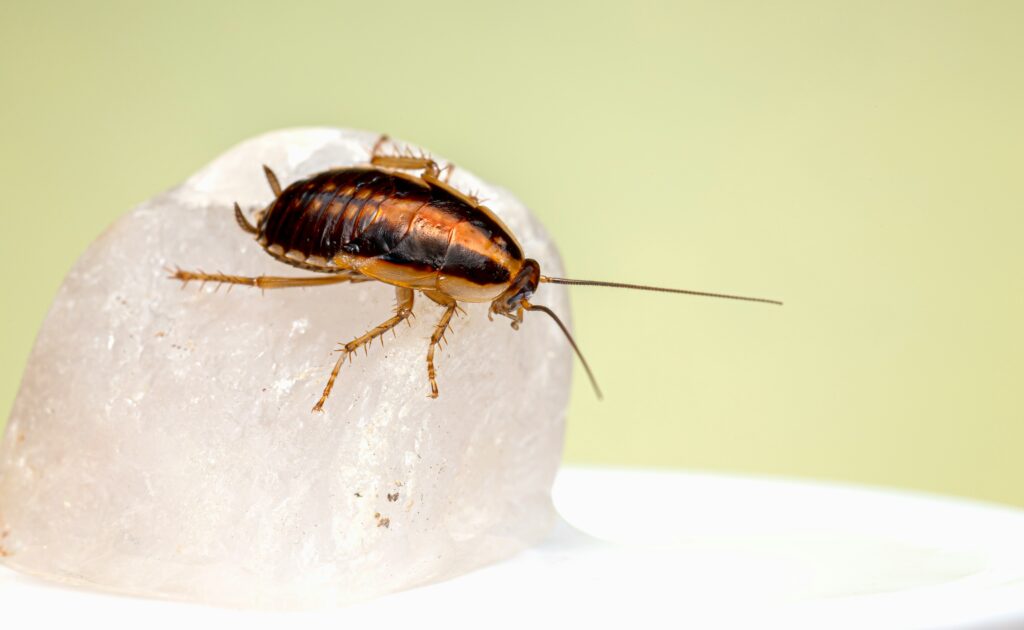


Why German Roaches Are <span class='green'>Different</span>
German cockroaches are strictly indoor pests — they don’t come in from outside like American or Oriental roaches. They live in kitchens, bathrooms, and anywhere with heat, moisture, and food. They reproduce every 30 days, each egg case producing 30-50 nymphs. A small infestation becomes a severe one in weeks.
Regular pest control products (the same treatments that control ants and spiders) are not enough. German roaches require an aggressive multi-product approach.
Our Cleanout <span class='green'>Protocol</span>
Roberts uses a multi-product attack on every German roach cleanout:
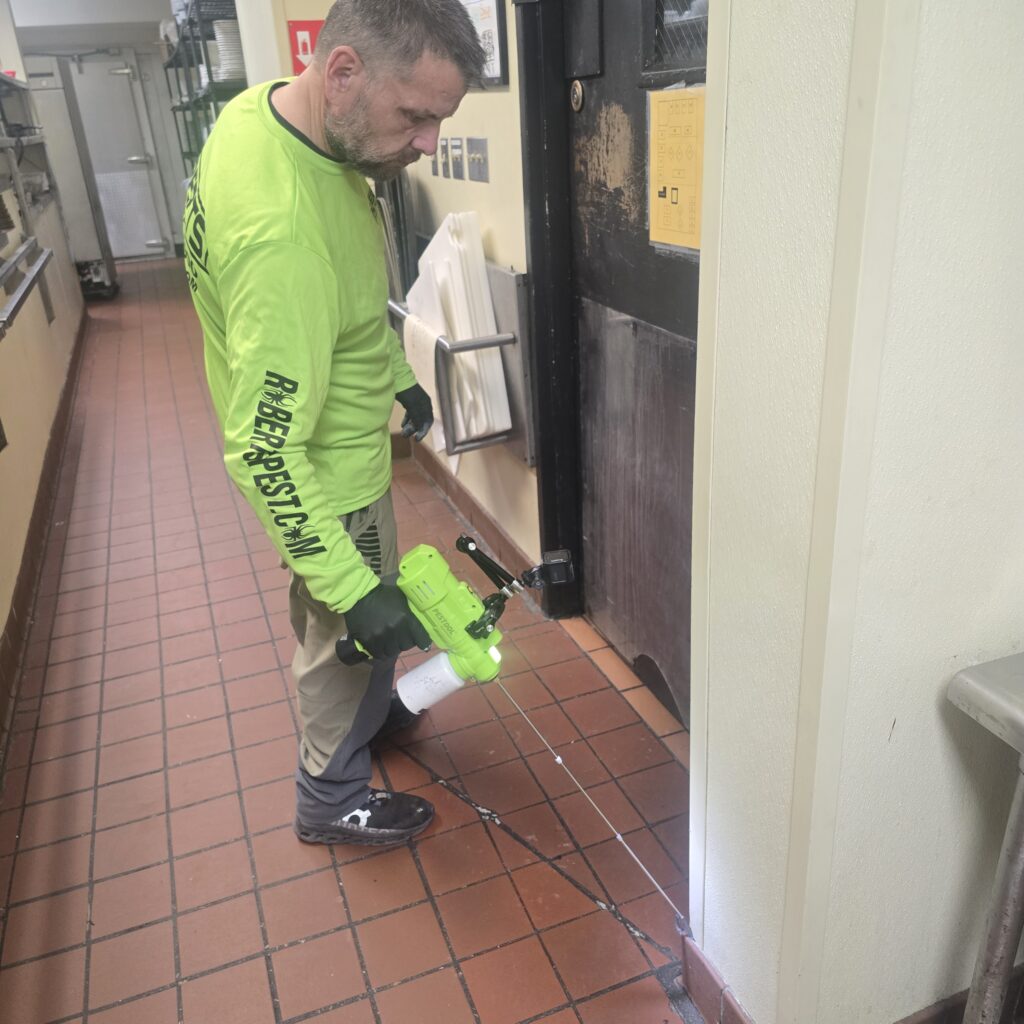
- A professional residual spray applied to all cracks, crevices, and harborage areas
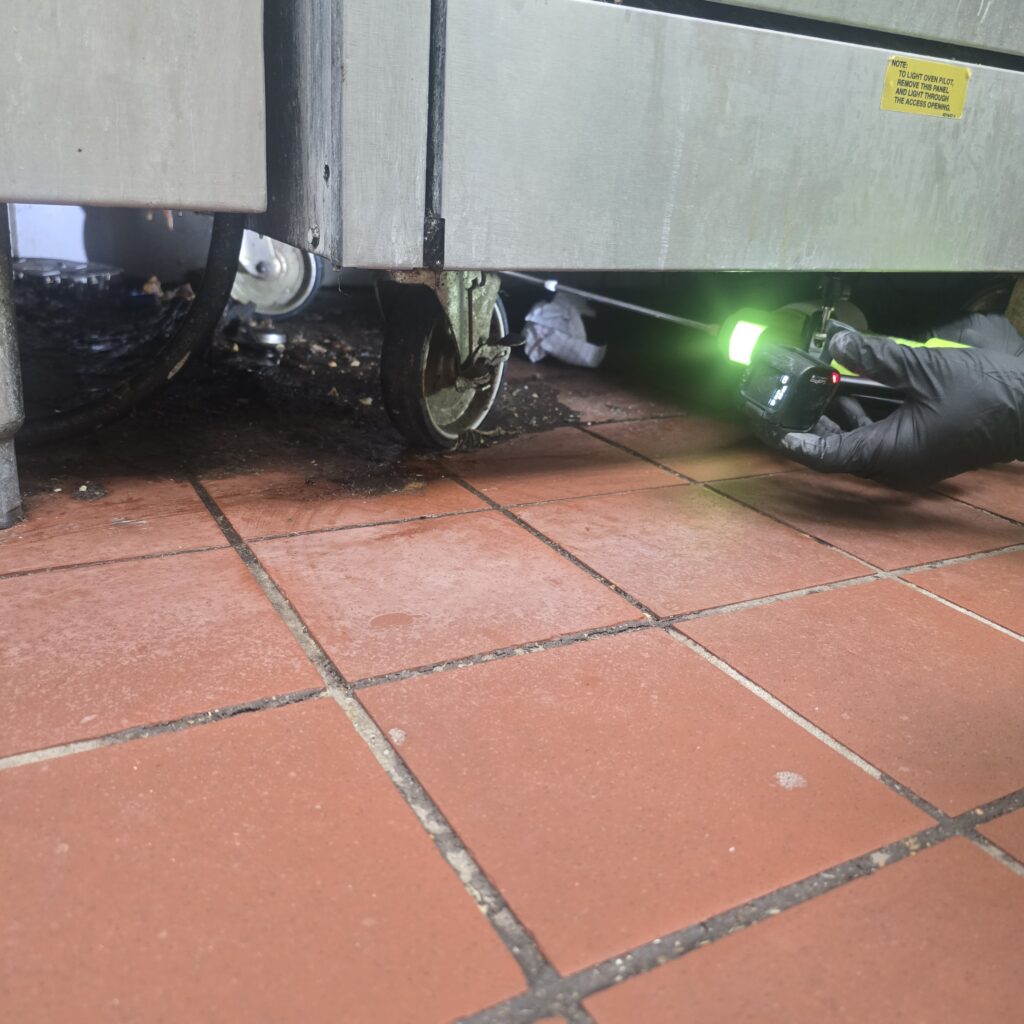
- Insecticidal dust blown into wall voids, behind appliances, under equipment, and in plumbing penetrations
- Professional-grade gel bait placed in feeding and travel areas
- An insect growth regulator (IGR) that prevents nymphs from reaching reproductive maturity
Every surface a German roach touches is treated. This is not a baseboard spray — it’s a complete interior treatment from ceiling to floor.
Commercial <span class='green'>Kitchen</span> Expertise
Roberts has extensive experience in restaurant and commercial kitchen roach cleanouts. We understand the unique challenges — food safety regulations, health department inspections, operational hours, and the extreme harborage conditions found in commercial kitchens.
Our protocols meet health department standards and are designed to minimize disruption to your business.
Follow-Up <span class='green'>Schedule</span>
A single treatment will not eliminate a German roach infestation. Their 30-day reproductive cycle means eggs that survive the initial treatment will hatch and need to be addressed. Our protocol includes:
- Initial aggressive cleanout (Day 1)
- Second treatment at 14-21 days (catches newly hatched nymphs)
- Third treatment at 30-45 days (breaks the reproductive cycle completely)
- Additional treatments as needed for severe infestations
We don’t declare victory after one visit. The job isn’t done until the population is zero.
Multi-Product Attack
Spray, dust, gel bait, and IGR — four modes of action in every cleanout
Deep Treatment
Every crack, crevice, void, and harborage area treated — not just visible surfaces
Commercial Grade
Restaurant and commercial kitchen protocols that meet health department standards
Cycle Breaker
Follow-up treatments timed to the 30-day reproductive cycle for complete elimination
| Feature | Roberts German Roach Cleanout | Regular Pest Control |
|---|---|---|
| Multi-product protocol | ✓ Yes | ✗ No |
| Deep crack/crevice treatment | ✓ Yes | ✗ No |
| Insect growth regulator | ✓ Yes | ✗ No |
| Scheduled follow-ups | ✓ Yes | ✗ No |
| Breaks reproductive cycle | ✓ Yes | ✗ No |
| Commercial kitchen certified | ✓ Yes | ✗ No |
German roaches get worse every day you wait. The sooner you call, the faster we eliminate them.
Schedule Roach InspectionWhy Choose Roberts?
- Aggressive Protocol — Four product classes in every cleanout — we don't rely on a single product and hope for the best
- Complete Coverage — Every crack, crevice, void, and surface treated — ceiling to floor, wall to wall
- Follow-Up Commitment — Multiple scheduled treatments to break the reproductive cycle completely
- Commercial Kitchen Experts — Restaurant-grade protocols that meet health department standards
- Honest Timeline — We tell you upfront: German roach elimination takes 3+ treatments. No false promises.
- Results-Based — The job isn't done until the population is zero
What to Expect
- Inspection & Assessment We evaluate the severity, identify harborage areas, and create a treatment plan
- Initial Cleanout Aggressive multi-product treatment — spray, dust, gel bait, and IGR applied to every harborage area
- Follow-Up Treatments Scheduled returns at 14-21 and 30-45 days to break the reproductive cycle
- Monitoring & Prevention We verify elimination and recommend sanitation changes to prevent re-infestation
Service Area
- Jefferson County
- St. Louis County
- St. Charles County
- Franklin County
- South St. Louis City
Schedule Your Free Estimate
Fill out the form below and we’ll get back to you fast — usually same day.
Frequently Asked Questions
How long does it take to get rid of German roaches?
A minimum of 3 treatments over 30-45 days. German roaches reproduce every 30 days, so follow-up treatments are essential to break the cycle. Severe infestations may require additional rounds.
Why didn't my previous pest company get rid of them?
Most general pest control programs use a single product (usually a baseboard spray) that isn’t designed for German roach infestations. German roaches require a multi-product protocol targeting every harborage area — not just visible surfaces.
How much does German roach cleanout cost?
Cost depends on the severity of the infestation, the size of the space, and whether it’s residential or commercial. The initial cleanout plus follow-up treatments are priced as a package. Call for a free assessment.
Do I need to clean before you treat?
Basic sanitation helps, but don’t deep-clean right before treatment — you may disturb harborage areas. We’ll give you specific preparation instructions. After treatment, maintaining good sanitation is critical to preventing re-infestation.
Can German roaches spread to other units in my building?
Yes. German roaches travel through shared walls, plumbing, and electrical conduits. In multi-family buildings, treating only one unit often fails. We recommend building-wide treatment for best results.