rpc 1

Restaurant Sanitation & Pest Prevention Best Practices

A Practical Checklist for Restaurants in St. Louis & Area

Why Sanitation Matters for Pest Control in St. Louis

Restaurants in St. Louis face constant pest pressure due to:
* Dense commercial corridors
* Older building infrastructure
* Shared walls in strip centers and downtown areas
* High moisture environments common to commercial kitchens

During routine pest control inspections and health department visits, over 90% of pest activity can be traced back to sanitation and moisture issues, not pesticide failure.

When sanitation improves:
* Pest activity decreases
* Chemical usage is reduced
* Infestations resolve faster
* Inspection outcomes improve

If you operate a restaurant in St. Louis & Area, proper sanitation isn’t just about cleanliness — it’s one of the most important pest prevention tools you have.

Health department inspections, customer safety, and pest control success all rely on the same foundation: daily sanitation and moisture management.

This guide was created to help restaurant owners, managers, and kitchen staff understand how sanitation directly affects pest activity, especially for German cockroaches, flies, and other high-risk structural pests common in commercial kitchens throughout St. Louis and surrounding areas.


Daily Sanitation Checklist

🥗 Food Preparation & Storage Areas

Daily cleaning in food prep and storage areas is critical for preventing German cockroach infestations, which thrive on grease residue and food debris.

Best practices:
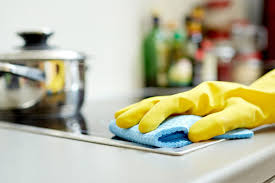
✅ Clean and sanitize all prep surfaces after each shift
✅ Wipe up food spills immediately — never leave residue overnight
✅ Avoid storing food in cardboard boxes on floors
✅ Rotate stock regularly to prevent expired or forgotten product
✅ Empty trash cans nightly and reline with clean bags

1

🧹 Equipment & Floors

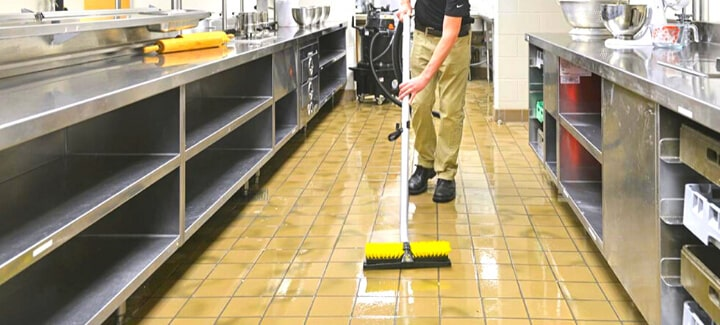
Many pest issues begin under and behind equipment, where grease and moisture accumulate unnoticed.

Best practices:
✅ Degrease kitchen floors daily, focusing on grout lines and under cooklines
✅ Pull out movable equipment weekly to clean behind and beneath
✅ Store mops, rags, and cleaning cloths off the floor
✅ Never leave wet mops or rags overnight
✅ Maintain at least
6 inches of clearance between stored items and walls or floors

the basics of food safety 2

💧 Drains & Moisture Control

Moisture is one of the strongest attractants for flies and cockroaches, particularly in restaurants across St. Louis and areas where humidity levels remain high year-round.

Best practices:
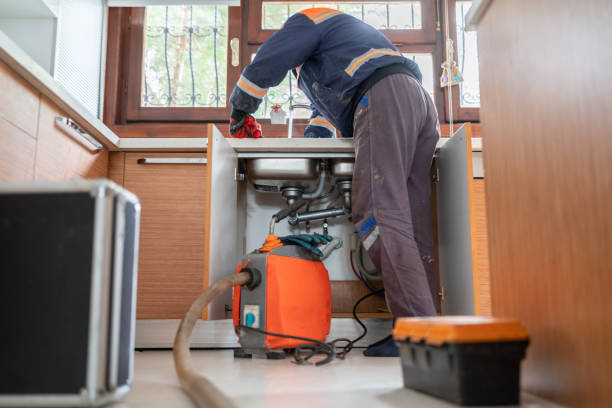
Flush floor drains nightly using an enzyme-based cleaner (Biozyme or equivalent)
✅ Keep drain screens in place and free of food debris
✅ Inspect for leaking pipes and sweating refrigeration lines
✅ Address standing water immediately

Important: Bleach does not remove organic buildup. Enzyme cleaners break down the material that pests feed on.

drains & moisture control

🗑️ Waste Handling

Improper waste handling is a common violation during local health inspections and a major contributor to fly and rodent activity.

Best practices:
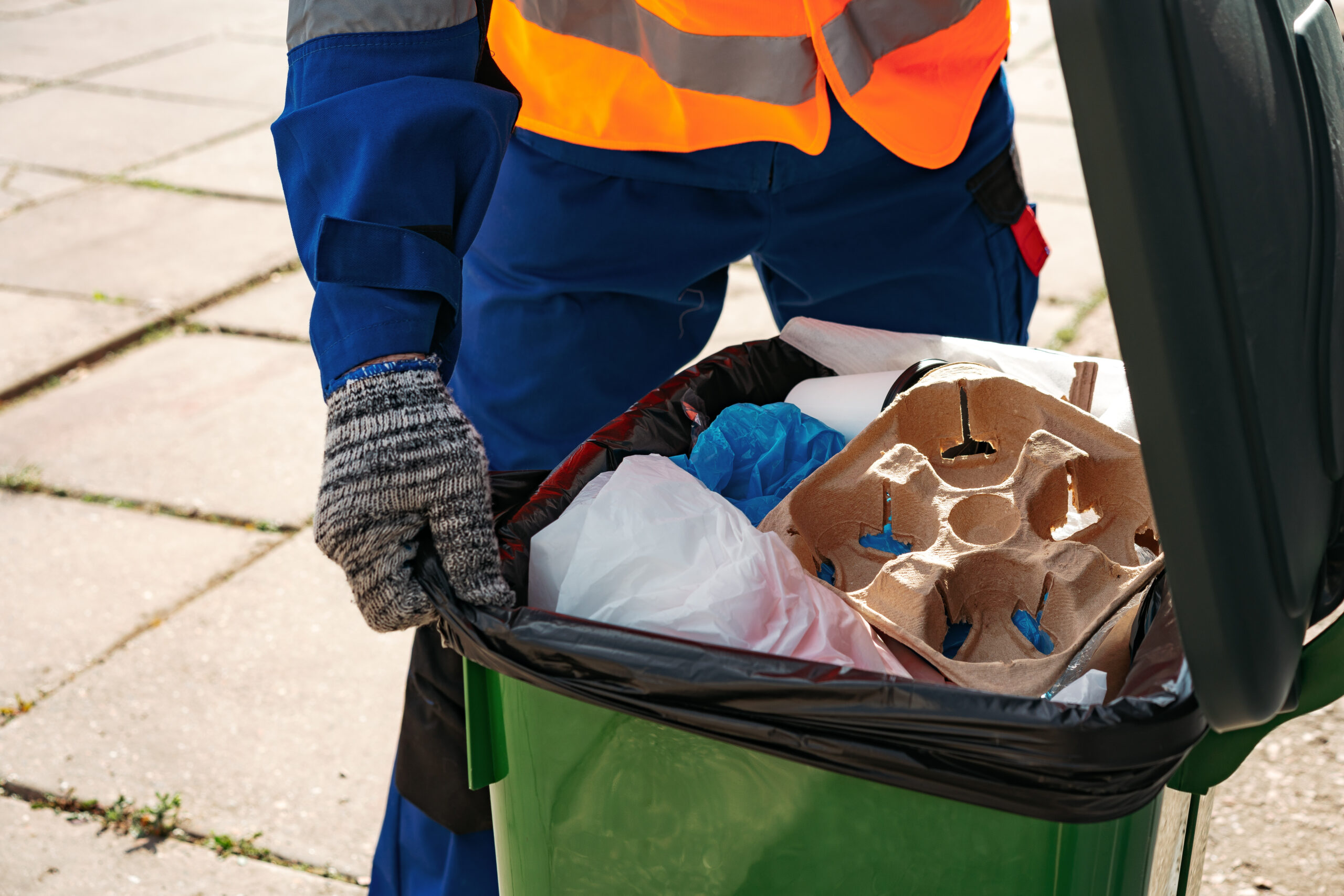
Close all interior waste container lids
✅ Remove trash nightly — never store full bags indoors
✅ Clean and sanitize dumpsters weekly
✅ Keep dumpster lids closed at all times
✅ Avoid placing trash containers near doors or delivery entrances

waste handling

🚪 Exterior Perimeter & Entry Points

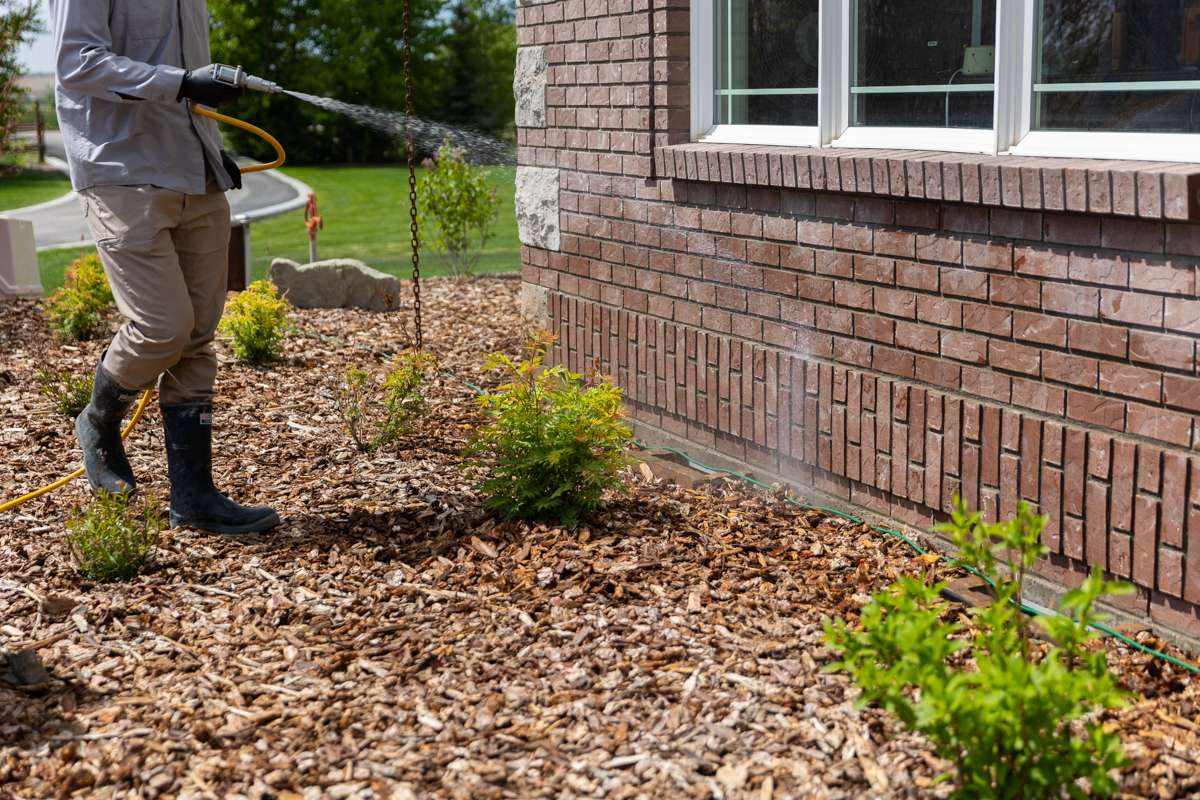
Exterior conditions directly affect interior pest pressure — a key focus during pest control inspections and health department reviews.

Best practices:
Keep all exterior doors closed when not in use
✅ Maintain intact door sweeps on all entry points
✅ Eliminate standing water near entrances
✅ Trim landscaping to prevent pest harborage
✅ Remove exterior clutter near doors and loading areas

exterior perimeter & entry points

Weekly Maintenance & Inspection Tasks

In addition to daily sanitation, weekly inspections help catch pest issues early — before they appear on an inspection report.

Weekly best practices:
🚩 Inspect under and behind all equipment using a flashlight
🚩 Clean vent hoods and filters to reduce grease buildup
🚩
Seal wall-to-floor gaps with caulk or foam
🚩 Check floor drains for fly activity
🚩 Review sanitation practices with your pest control professional during service visits


Final Takeaway

In nearly every restaurant we inspect, pest problems don’t start with insects — they start with conditions.

When sanitation and moisture control improve:
👉 Pest activity drops
👉
Chemical use decreases
👉 Long-term results stabilize

Clean kitchens don’t need more chemicals, they need better systems.

Partnering with Your
Pest Contol Professional

Successful pest prevention in St. Louis & Areas depends on teamwork.

To get the most from your service:

  • Keep a sanitation log accessible for technicians
  • Report pest sightings immediately, including dates and locations
  • Follow preparation instructions before scheduled treatments
  • Schedule follow-up inspections for recurring problem areas

Your pest control provider should function as an extension of your food safety and compliance program, not just a chemical applicator.