

Spider Control & Brown Recluse Guide
Missouri is home to the brown recluse — one of two medically significant spiders in North America. Learn to identify them, reduce populations, and protect your family.
Get a Free Estimate (314) 967-2847 (BUGS)
Dangerous Spiders in Missouri
Missouri sits in the heart of brown recluse territory, and the St. Louis metro area has one of the highest concentrations of brown recluse populations in the country. While most spiders found in homes are harmless, two species pose genuine medical risk.
Brown Recluse
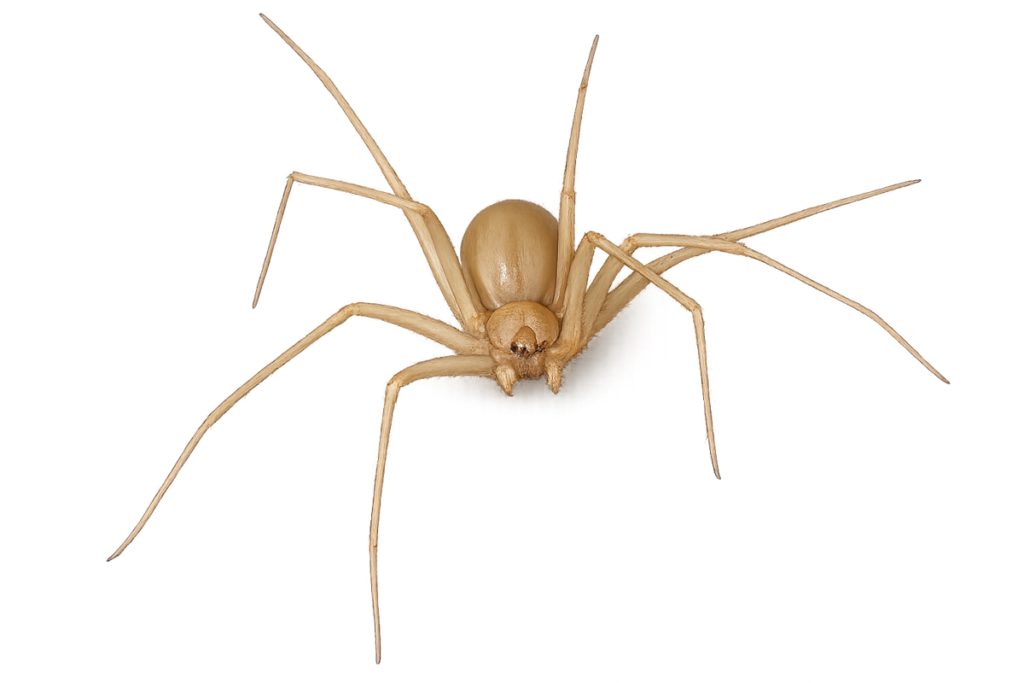
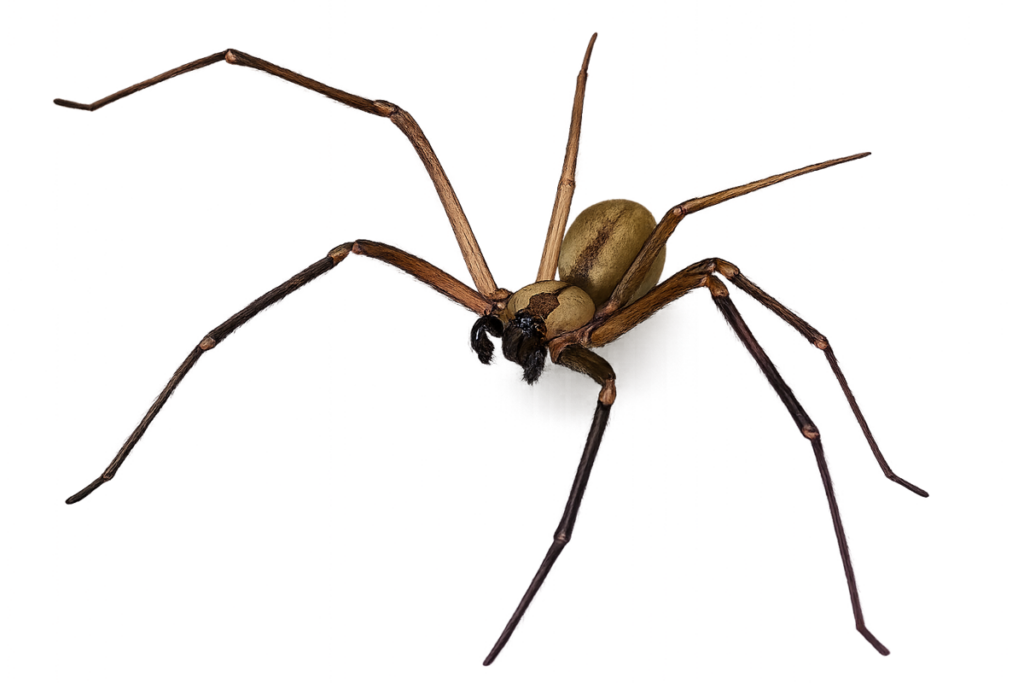
Missouri’s most medically significant spider. Light brown with a distinctive violin-shaped marking on the cephalothorax. Unlike most spiders that have 8 eyes, the brown recluse has 6 eyes arranged in 3 pairs. They are shy, nocturnal, and prefer undisturbed areas: closets, boxes, behind furniture, inside wall voids, and storage areas. Bites typically occur when the spider is trapped against skin — putting on stored clothing, reaching into boxes, or rolling onto one in bed. Their venom can cause necrotic skin lesions that take weeks or months to heal.
Black Widow
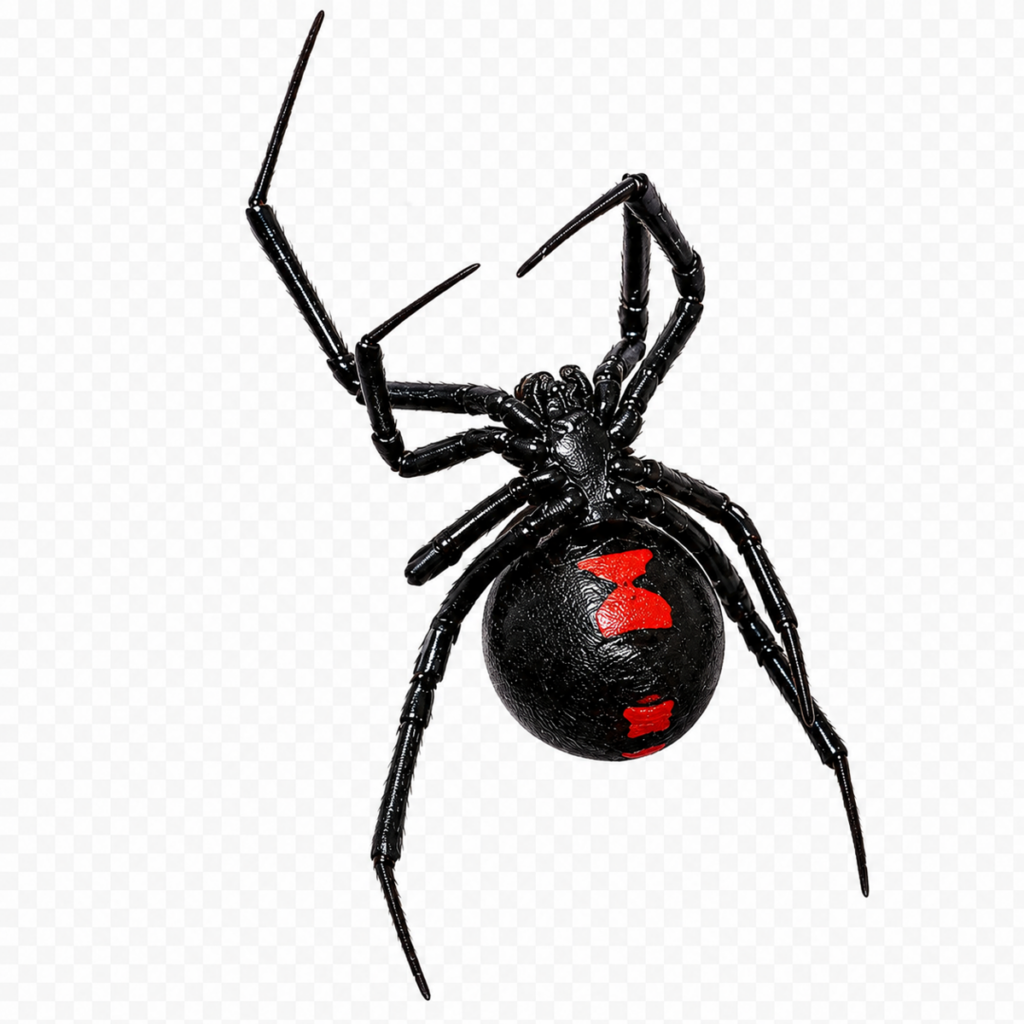
Less common than brown recluse in the St. Louis area, but present. Jet black with a red hourglass marking on the abdomen. Found in garages, sheds, woodpiles, and dark undisturbed areas. Their venom is neurotoxic and can cause severe pain, muscle cramps, and in rare cases, serious systemic reactions.
Common House Spiders & Wolf Spiders
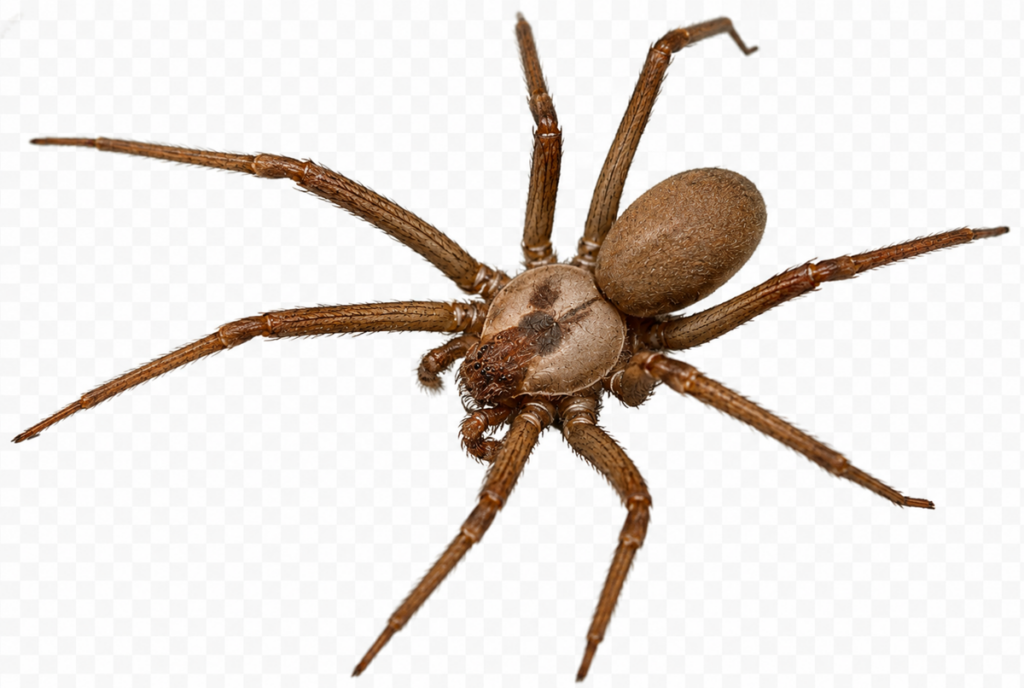
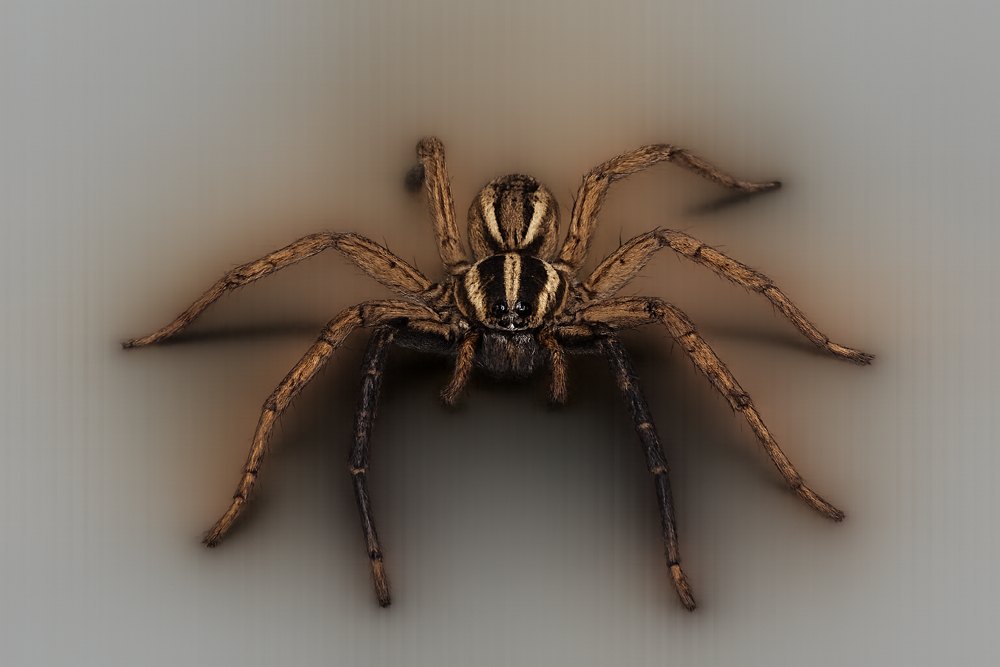
Most spiders you encounter indoors are harmless. Common house spiders build messy cobwebs in corners and basements. Wolf spiders are large, fast-moving ground hunters found in basements and garages. Their size is alarming, but they are not medically significant. However, their presence indicates a prey insect population in the home.
Signs of Spider Activity
- Webs accumulating in corners, basements, garages, and storage areas
- Regular spider sightings inside the home, especially in the evening
- Brown recluse sightings in closets, behind headboards, in stored boxes, or in shoes
- Egg sacs in undisturbed areas (attics, crawl spaces, closets)
- Increased insect activity — spiders follow their food source
- Unexplained bites that develop redness, swelling, or necrotic centers
How Roberts Controls Spiders
Our 3-Tier Brown Recluse Spider Management Program goes far beyond a standard perimeter spray. It is designed specifically for homes with confirmed or suspected brown recluse activity:
Tier 1 — Dust Application
We apply long-lasting insecticidal dust and silica-based dust (amorphous silica gel) into wall voids, behind outlet and switch plates, and into cracks and crevices throughout the home. Silica-based dust provides up to 10 years of residual activity in undisturbed voids — an exceptionally long-lasting barrier.
Tier 2 — Interior Spray
We apply professional-grade residual spray along baseboards, in closets, and in known harborage areas. Non-repellent chemistry that spiders contact and absorb through their feet.
Tier 3 — Exterior Perimeter
Foundation treatment and cobweb removal to reduce spider entry from outside. This is also maintained through our R.O.S. program. Every R.O.S. visit includes exterior cobweb removal for ongoing population control. Learn more about R.O.S. →
Brown Recluse Prevention
- Declutter — Reduce clutter in closets, basements, garages, and storage areas. Brown recluse thrive in undisturbed spaces.
- Seal cracks — Seal gaps around windows, doors, and utility penetrations.
- Use sticky traps — Install glue boards along baseboards in bedrooms and closets for monitoring. Catching even one brown recluse confirms a population.
- Shake out clothing — Always shake out shoes, gloves, and stored clothing before wearing them.
- Move beds from walls — Keep beds away from walls and bedding from touching the floor.
- Reduce outdoor lighting — Lights attract insects, which attract spiders. Switch to yellow or sodium vapor bulbs.
Brown Recluse Experts
We know Missouri's most dangerous spider — identification, habits, and the targeted treatment protocol that works
Dust Applications
Long-lasting insecticidal dust in wall voids, attics, and cracks where spiders hide
Cobweb Removal
Every R.O.S. visit includes exterior cobweb removal for ongoing population control
Habitat Reduction
We identify conducive conditions and recommend changes that make your home less attractive to spiders
Concerned about brown recluse? Our 3-tier protocol is designed specifically for Missouri’s most dangerous spider.
Call (314) 967-2847 (BUGS)Why Choose Roberts?
- Brown Recluse Specialists — Formal 3-tier protocol developed for Missouri's unique spider pressure
- Long-Lasting Dust Applications — Silica-based dust provides up to 10 years of residual protection in voids
- Cobweb Removal Every Visit — Ongoing exterior maintenance reduces spider populations over time
- Habitat Assessment — We identify what's attracting spiders and help you make changes
What to Expect
- Free Inspection — We identify spider species, assess activity levels, and locate harborage areas.
- Species Identification — We determine if brown recluse or black widow are present and assess the severity.
- 3-Tier Treatment — Dust, spray, and perimeter treatment targeting spiders where they live and hide.
- Ongoing Monitoring — Sticky trap placement, cobweb removal, and R.O.S. perimeter maintenance.
Service Area
- Jefferson County (Festus, Crystal City, Arnold, Imperial, Barnhart, High Ridge, Hillsboro, De Soto, Herculaneum)
- St. Louis County (South County, Mehlville, Oakville, Affton, Kirkwood, Webster Groves, Crestwood)
- St. Charles County (St. Charles, O'Fallon, St. Peters, Wentzville, Lake St. Louis)
- St. Francois County (Farmington, Park Hills, Bonne Terre, Desloge)
- Ste. Genevieve County
- Washington County (Potosi, Mineral Point)
- City of St. Louis and surrounding municipalities
- Franklin County (Union, Washington, Pacific, Sullivan)
Schedule Your Free Estimate
Fill out the form below and we’ll get back to you fast — usually same day.
Frequently Asked Questions
How do I identify a brown recluse spider?
Look for three features: (1) a violin-shaped marking on the cephalothorax (the front body section), (2) six eyes arranged in three pairs (most spiders have eight eyes), and (3) uniformly colored legs with no bands or stripes. Brown recluse are light to medium brown, about the size of a quarter including legs. If you’re unsure, place sticky traps along baseboards and bring any catches to us for identification.
What should I do if I'm bitten by a brown recluse?
Seek medical attention promptly. Clean the bite with soap and water, apply ice, and try to capture the spider for identification if possible. Not every brown recluse bite causes necrosis, but early medical evaluation is important. Symptoms can develop over hours to days and may include redness, pain, swelling, and in some cases a necrotic wound.
Can I get rid of brown recluse with store-bought products?
Store-bought sprays have limited effectiveness because brown recluse live deep in wall voids, behind furniture, and in cracks that surface sprays never reach. Professional dust applications into voids — like silica-based dust with its 10-year residual — are far more effective at reaching spiders where they actually live. A comprehensive approach with dust, spray, and habitat modification is needed.
Are all spiders in my house dangerous?
No. The vast majority of spiders you encounter indoors are harmless. In Missouri, only the brown recluse and black widow are medically significant. Common house spiders and wolf spiders are not dangerous to humans. However, a large spider population indoors indicates a prey insect problem that should also be addressed.
How long does spider treatment take to show results?
You should see a noticeable reduction in spider activity within 2-4 weeks. Dust applications continue working for years in undisturbed voids. Ongoing R.O.S. service and cobweb removal compound the effect over time. Brown recluse populations are reduced gradually — expect significant improvement over 2-3 months.