

PEST LIBRARY

Tick Control & Prevention

Lone star ticks, American dog ticks, and blacklegged (deer) ticks are all found in the St. Louis area. They transmit Lyme disease, Rocky Mountain spotted fever, and other serious illnesses.

Get a Free Estimate (314) 967-2847 (BUGS)
Tick control treatment - Roberts Pest Control
Roberts Pest Control
🏠 Locally Owned & Operated 🛡️ 20+ Years Experience Free Estimates 🤝 No Contracts Required
3+
Tick Species in Area
5+
Diseases Transmitted
Mar-Nov
Active Season
100%
Broadcast Treatment

Tick Species in St. Louis

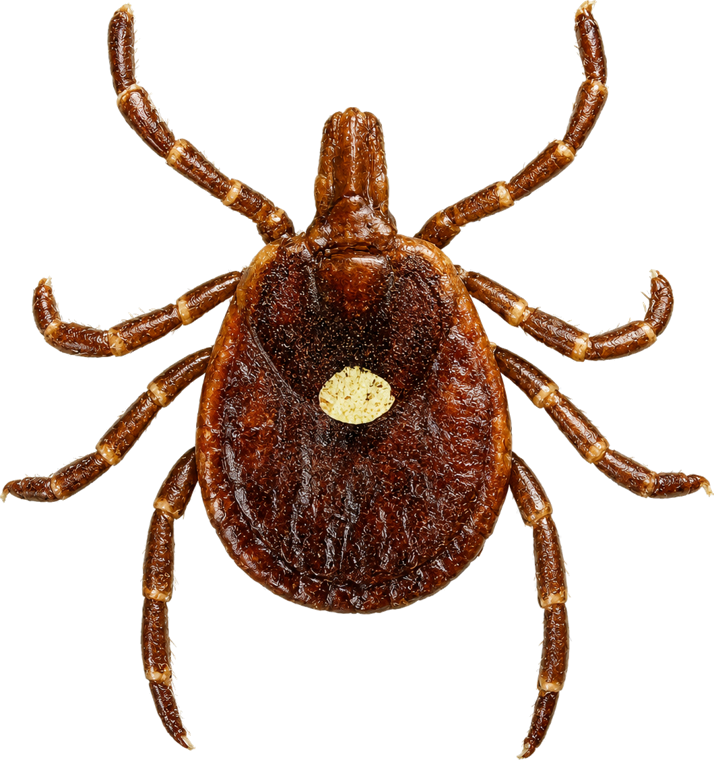
Lone Star Tick

The most common tick in the St. Louis area. Identified by a single white dot on the female’s back. Extremely aggressive biters that will actively pursue hosts. They are vectors for ehrlichiosis, tularemia, and Alpha-gal syndrome — a condition that causes a potentially life-threatening allergic reaction to red meat.

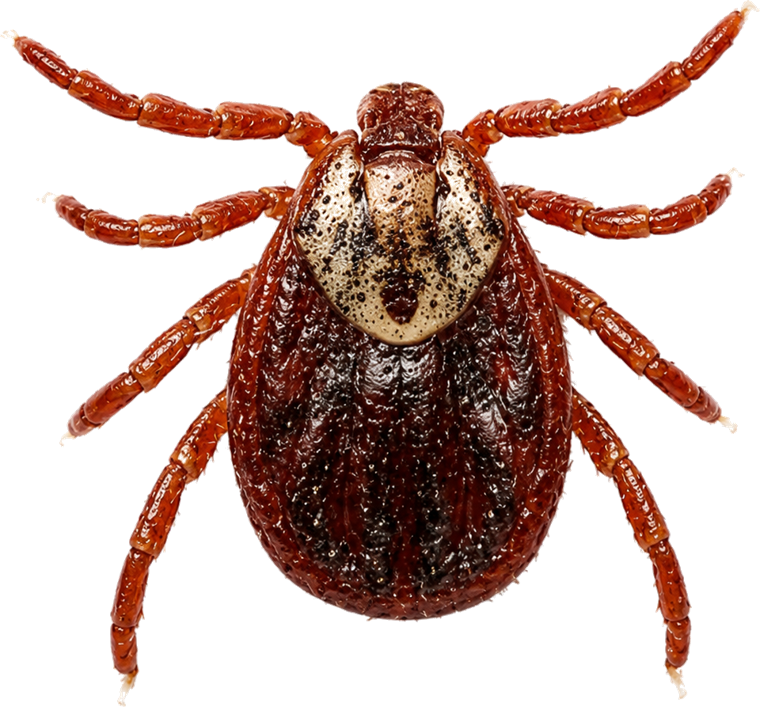
American Dog Tick

Large, brown tick with white or gray markings. Found in grassy areas and along trails. The primary vector of Rocky Mountain spotted fever in Missouri. Most active in spring and summer.

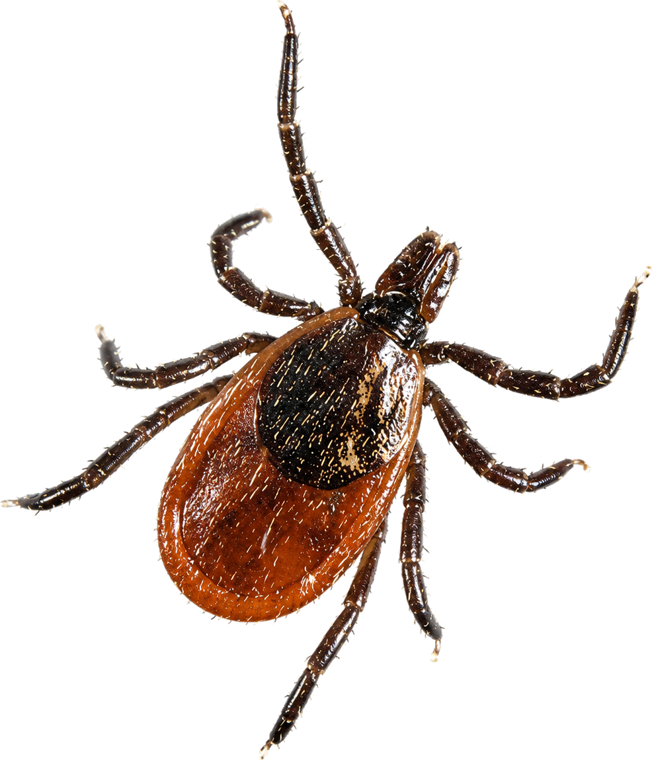
Blacklegged Tick (Deer Tick)

Smaller than other common ticks, reddish-brown with dark legs. The vector for Lyme disease. Historically uncommon in the St. Louis area, but the range is expanding southward and confirmed cases in Missouri are increasing.

Tick-Borne Diseases

Missouri is one of the worst states in the country for tick-borne illness. Diseases transmitted by ticks in the St. Louis area include:

  • Lyme Disease — Transmitted by blacklegged ticks. Causes fever, fatigue, and a characteristic bullseye rash. If untreated, can lead to joint, heart, and nervous system complications.
  • Rocky Mountain Spotted Fever — Transmitted by American dog ticks. Can be fatal if not treated promptly with antibiotics. Symptoms include fever, headache, and rash.
  • Ehrlichiosis — Transmitted by lone star ticks. Causes fever, headache, and muscle aches. Can be severe in immunocompromised individuals.
  • Alpha-Gal Syndrome — Triggered by lone star tick bites. Causes a delayed allergic reaction to red meat (beef, pork, lamb) that can range from hives to anaphylaxis. Cases in Missouri are increasing.
  • Tularemia — Transmitted by lone star and dog ticks. Causes fever, skin ulcers, and swollen lymph nodes.

How Roberts Controls Ticks

Broadcast Treatment

Roberts treats ticks with a professional-grade broadcast treatment — a broad-spectrum insecticide applied as a broadcast spray to the entire lawn, vegetation borders, and transitional zones where yard meets woods or brush. This is the critical zone where tick populations concentrate, waiting on grass blades and low vegetation for a host to pass by.

Perimeter Spray

Targeted perimeter application along fence lines, tree lines, and property edges where ticks migrate from surrounding wooded areas into your yard.

Habitat Modification

We identify high-risk areas on your property and recommend changes to make your yard less tick-friendly — including mowing recommendations, brush removal, and buffer zones between lawn and wooded borders.

Treatment Timing

Tick activity in Missouri begins as early as March and peaks from April through September. We recommend starting yard treatments in early spring and repeating every 4-6 weeks through the active season for continuous protection.

Prevention Tips

  • Tick checks — Check yourself, your children, and your pets for ticks after outdoor activity. Pay special attention to hair, behind ears, along the waistline, and between toes.
  • Proper clothing — Wear light-colored clothing so ticks are visible. Tuck pants into socks when walking through tall grass or wooded areas.
  • Yard maintenance — Keep your lawn mowed short. Create a 3-foot buffer zone of gravel or wood chips between your lawn and wooded borders. Remove leaf litter, brush piles, and tall weeds.
  • Pet protection — Treat pets with veterinarian-recommended tick prevention products year-round.
  • Reduce wildlife — Deer, rabbits, and rodents are primary tick hosts. Fencing and habitat modification can reduce wildlife traffic through your yard.
🌿

Broadcast Treatment

Professional-grade application covers your entire yard — not just the perimeter

🛡️

Disease Prevention

Reducing tick populations protects your family from serious illnesses

🏡

Habitat Reduction

We identify high-risk areas and recommend changes to make your yard less tick-friendly

Add-On Service

Available as standalone or combined with mosquito control for complete outdoor protection

Ticks carry serious diseases. Protect your family with professional yard treatment. Call Roberts today.

Call (314) 967-2847 (BUGS)

Why Choose Roberts?

  • Professional-Grade Products — Commercial broadcast treatment that covers your entire yard, not just the edges
  • Disease Prevention Focus — We take tick-borne disease seriously — Lyme, RMSF, ehrlichiosis, Alpha-gal
  • Seasonal Programs — Recurring treatments timed to tick activity for season-long protection
  • Combo Options — Add tick treatment to mosquito control for complete outdoor pest protection

What to Expect

  1. Call Us Describe your property and tick concerns. We'll recommend the right treatment plan.
  2. Property Assessment We identify high-risk areas, tick habitat, and wildlife corridors on your property.
  3. Broadcast Treatment Professional-grade application to your entire yard, borders, and transitional zones.
  4. Recurring Protection Treatments every 4-6 weeks through the active season for continuous coverage.

Service Area

  • Jefferson County (Festus, Crystal City, Arnold, Imperial, Barnhart, High Ridge)
  • St. Louis County (South County, Mehlville, Oakville, Affton, Kirkwood)
  • St. Charles County (St. Charles, O'Fallon, St. Peters, Wentzville)
  • St. Francois County (Farmington, Park Hills, Bonne Terre)
  • City of St. Louis and surrounding municipalities

Schedule Your Free Estimate

Fill out the form below and we’ll get back to you fast — usually same day.

Frequently Asked Questions

Is Lyme disease a risk in the St. Louis area?

Lyme disease risk in Missouri is increasing. The blacklegged tick (deer tick) that carries Lyme disease is expanding its range into Missouri, and confirmed cases have been reported in the state. While not yet as common as in the northeastern U.S., it is a real and growing concern. If you find a blacklegged tick attached to your skin, see a healthcare provider.

When are ticks most active in Missouri?

Tick activity begins as early as March when temperatures consistently reach 40-45°F. Peak activity is April through September. Lone star ticks remain active into October and November. We recommend professional yard treatments starting in early spring and continuing through fall for the best protection.

How should I remove a tick that's attached to my skin?

Use fine-tipped tweezers. Grasp the tick as close to the skin surface as possible and pull upward with steady, even pressure. Do not twist, jerk, or squeeze the tick body. After removal, clean the bite area with rubbing alcohol or soap and water. Save the tick in a sealed bag for identification if you develop symptoms. Do not use heat, petroleum jelly, or nail polish to try to make the tick detach.

How often should I treat my yard for ticks?

For effective season-long control, we recommend professional yard treatments every 4-6 weeks during the active season (March through September/October). A single treatment reduces the population temporarily, but ticks reintroduce from surrounding wooded areas and wildlife. Consistent treatment throughout the season provides the best protection.

Can I combine tick treatment with mosquito control?

Yes, and we recommend it. Tick and mosquito treatments use similar application methods and can be combined into a single yard treatment program. This gives you comprehensive outdoor pest protection through the entire warm season. Ask about our combo pricing.