



Mosquito Control & Prevention

Mosquito Control & Prevention
Take back your yard. Our mosquito treatment program reduces mosquito populations by up to 90%, letting you enjoy your outdoor spaces without being eaten alive.
Licensed & Insured
Same-Day Service
Satisfaction Guarantee
Free Quotes
Common Mosquitoes in St. Louis
The St. Louis region is home to several mosquito species capable of transmitting serious diseases. Knowing what you’re dealing with is the first step toward effective control.

Asian Tiger Mosquito
Black with distinctive white stripes on body and legs. Aggressive daytime biter. Can transmit dengue and chikungunya. Zika transmission is extremely rare in Missouri. Breeds in tiny amounts of standing water — bottle caps, plant saucers, clogged gutters.
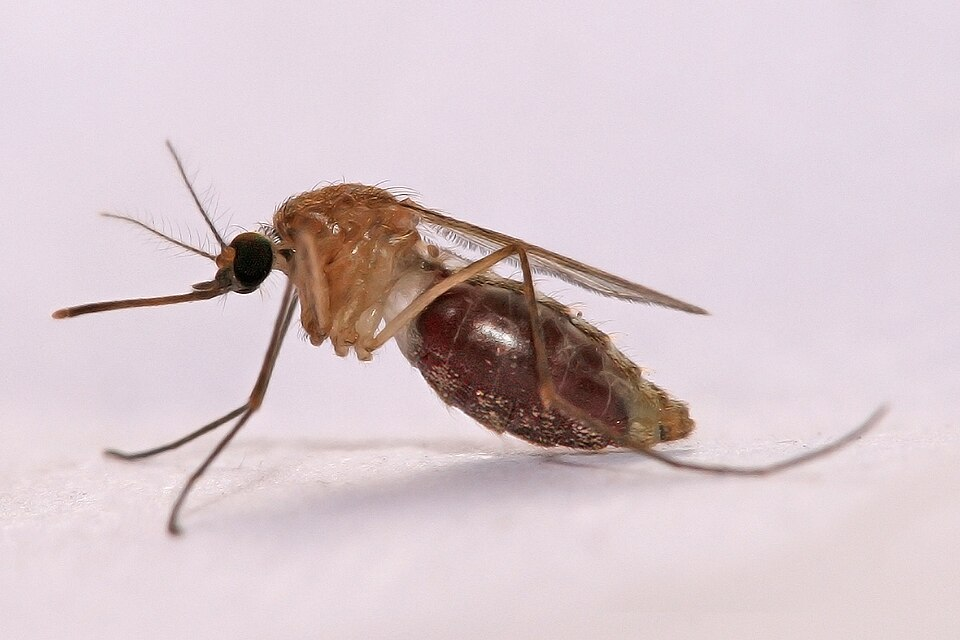
Northern House Mosquito
Light brown, active at dawn and dusk. Primary vector for West Nile virus in Missouri. Breeds in stagnant water — storm drains, birdbaths, abandoned pools, rain barrels.
Signs You Have a Mosquito Problem
Mosquitoes aren’t just a nuisance — they’re a public health concern. If you’re noticing any of these signs, it’s time for professional intervention.
Large numbers of mosquitoes congregating in your yard as the sun goes down is a clear indicator of a breeding population nearby.
Any standing water — birdbaths, clogged gutters, old tires, plant saucers, forgotten buckets — is a potential mosquito breeding ground.
Mosquitoes gathering near entry points are trying to get inside. This suggests high populations in your immediate landscape.
Frequent mosquito bites from spending time in your own yard means the population has reached a level that requires treatment.
Tiny wriggling worms visible in standing water are mosquito larvae. Each water source can produce hundreds of adult mosquitoes.
⚠ West Nile Virus in Missouri
Missouri reports West Nile virus cases every year. While most infections cause no symptoms, serious cases can cause neurological illness. Professional mosquito control is the most effective way to reduce your exposure risk. Our barrier treatments target adult mosquitoes where they rest during the day.
Professional Mosquito Treatment — 4 Steps
Our proven mosquito control program targets every stage of the mosquito lifecycle.
- Property Assessment — We identify breeding sites, resting areas, and environmental conditions that support mosquito populations on your property.
- Breeding Site Elimination — We address standing water sources and recommend changes to reduce or eliminate mosquito breeding habitat.
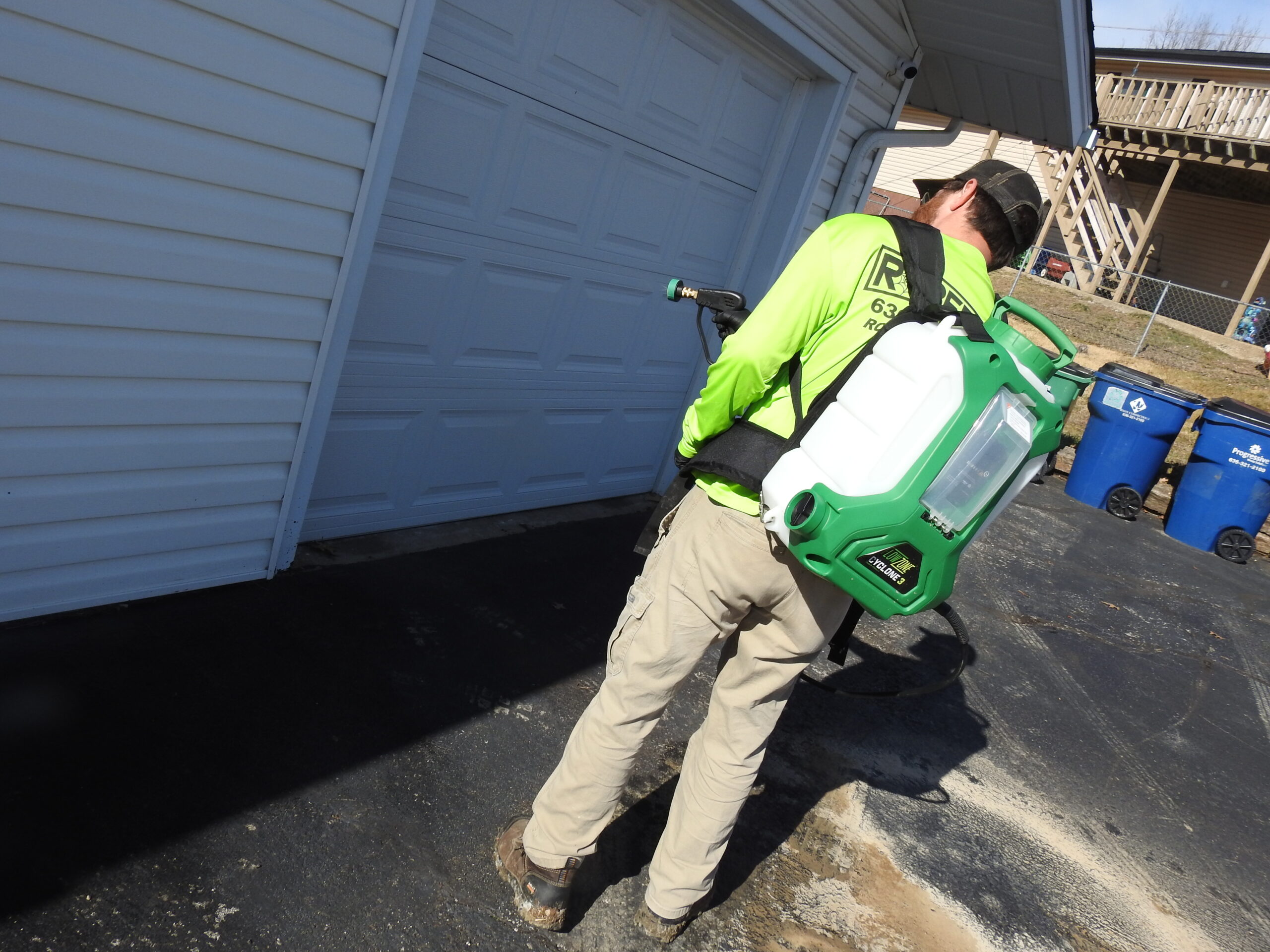
- Barrier Treatment — Residual application to vegetation, fences, and shaded areas where mosquitoes rest during the day. This kills mosquitoes on contact and continues working for weeks.
- Monthly Maintenance — Re-application throughout mosquito season (May through October) to maintain continuous protection all season long.
Reduce Mosquitoes — Homeowner Tips
Empty or treat gutters, birdbaths, plant saucers, old tires, and any container that collects water. Mosquitoes can breed in as little as a bottle cap of water.
If you keep a birdbath, flush and refill it at least once a week to prevent larvae from completing their development cycle.
Maintain proper chlorine levels in swimming pools. Abandoned or neglected pools are major mosquito breeding sites.
Fix any holes or tears in window and door screens to keep mosquitoes from entering your home.
Mosquitoes are weak fliers. A simple outdoor fan on your porch or patio can significantly reduce mosquito landings.
Mosquitoes rest in dense, shaded vegetation during the day. Keeping landscaping trimmed reduces harborage areas.
Frequently Asked Questions
How often do you treat for mosquitoes?
Is it safe for pets, kids, and pollinators?
Does it work for the whole yard?
What about the neighbor’s yard?
Enjoy Your Yard Again — Mosquito-Free
Free Quotes. Same-day service available. 100% satisfaction guaranteed.