




Wildlife Removal & Exclusion

Wildlife Removal & Exclusion
When wildlife invades your home, you need fast, professional removal. Our licensed technicians handle raccoons, squirrels, bats, opossums, and other nuisance wildlife using methods appropriate to each species and situation — in full compliance with Missouri Department of Conservation regulations.
Licensed & Insured
Same-Day Service
Satisfaction Guarantee
Free Estimates
Nuisance Wildlife in St. Louis
Wildlife intrusions cause property damage, health risks, and safety hazards. Identifying the species is the first step — each requires a different approach.
Raccoons

Raccoons cause significant damage to attics, soffits, and insulation. They carry rabies and raccoon roundworm. Professional trapping and exclusion is essential.
Squirrels

Squirrels chew through wiring, insulation, and wood. They enter through roof gaps, soffit vents, and construction gaps. Fire hazard from chewed wires.
Bats
Bats carry rabies. Missouri law requires bat head to health department for rabies testing. Live removal using bat chutes and cones for humane exclusion. Minimum $500 — always bid, management approval required.
Opossums & Skunks

Found under decks, porches, and sheds. Professional trapping with appropriate methods based on species and situation.
Signs You Have a Wildlife Problem
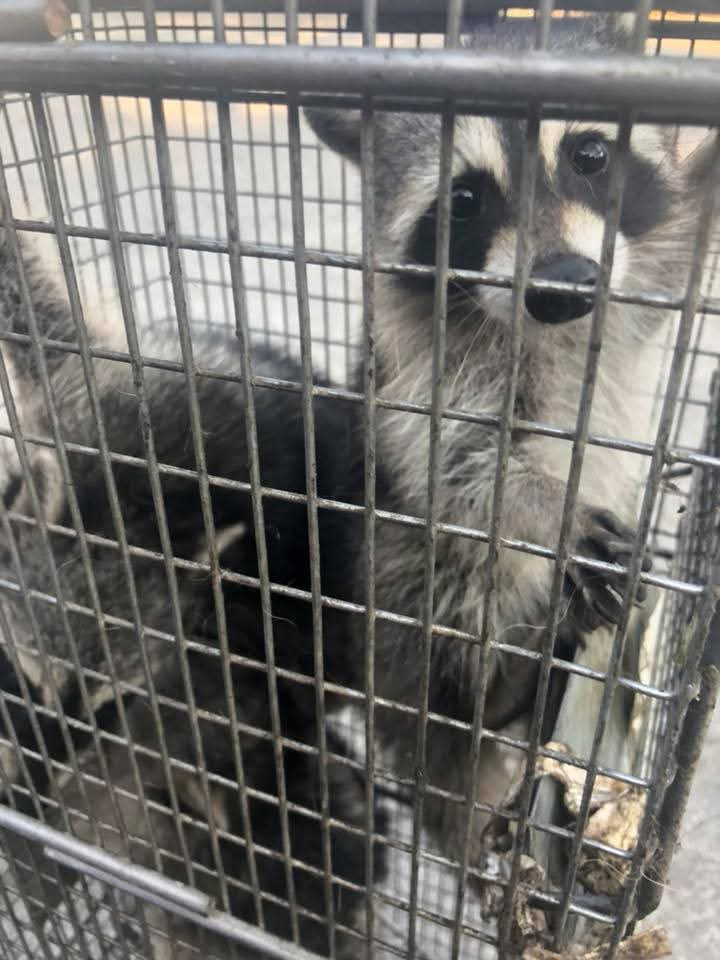
Wildlife can be living in your home for weeks before you notice. These are the most common indicators of an active intrusion.
Noises at night or early morning — especially scratching, thumping, or scurrying — indicate animals living in your attic, walls, or crawl space.
Animal droppings vary by species. Raccoon latrines, bat guano piles, and squirrel pellets are all reliable indicators of an active infestation.
Squirrels and raccoons chew through electrical wiring and tear up insulation. This creates fire hazards and drives up energy costs.
Visible holes, torn soffit panels, or damaged fascia boards are entry points. Animals only need a small gap to get inside.
A strong, persistent odor in walls or attic often indicates accumulated waste or a deceased animal that needs removal.
Raccoons, skunks, and opossums dig through trash and gardens at night. Consistent damage points to an animal denning nearby.

Professional Wildlife Removal — 4 Steps
Every wildlife job is different. We tailor our approach to the species, the situation, and your property.
- Inspection & Species ID — We determine what animal is present, where it’s entering, and the extent of damage to your property.
- Professional Trapping — Strategic trap placement using live or lethal sets appropriate to the species, in compliance with Missouri Department of Conservation regulations.
- Exclusion & Sealing — After removal, we seal ALL entry points. This is the most critical step — exclusion is what prevents re-entry.
- Damage Repair Guidance — We assess damage to wiring, insulation, and structure, and provide repair recommendations.
Important Notice
Wildlife removal is always bid — pricing depends on the species, accessibility, and scope of work. Some situations require management approval. We use both live and lethal methods depending on the species and situation, in full compliance with Missouri Department of Conservation codes. Our technicians are trained and licensed for nuisance wildlife control.

Keep Wildlife Out — Homeowner Tips
Inspect roofline for gaps, holes, and damaged panels. Animals exploit even small openings to access attic space.
Uncapped chimneys and open vents are the most common wildlife entry points. Metal caps and covers keep animals out.
Keep branches at least 6 feet from your roof. Squirrels and raccoons use overhanging limbs as a highway onto your home.
Use bungee cords or locking lids. Unsecured trash attracts raccoons, skunks, and opossums to your property.
Pet food left outside overnight is an open invitation for raccoons, opossums, and skunks.
Open garage doors at night allow wildlife easy access to shelter. Close them before dark every evening.
Frequently Asked Questions
How much does wildlife removal cost?
Do you do live removal?
How do you keep them from coming back?
What about bats?
Wildlife Problem? Call Now
Professional wildlife removal. Licensed technicians. Free quotes.