



Ant Control & Extermination

Ant Control & Extermination
Ants are the #1 pest complaint in Missouri. From wood-destroying carpenter ants to endless trails of odorous house ants, these persistent invaders contaminate food, damage structures, and multiply into colonies of hundreds of thousands.
Licensed & Insured
Same-Day Service
Satisfaction Guarantee
Free Quotes
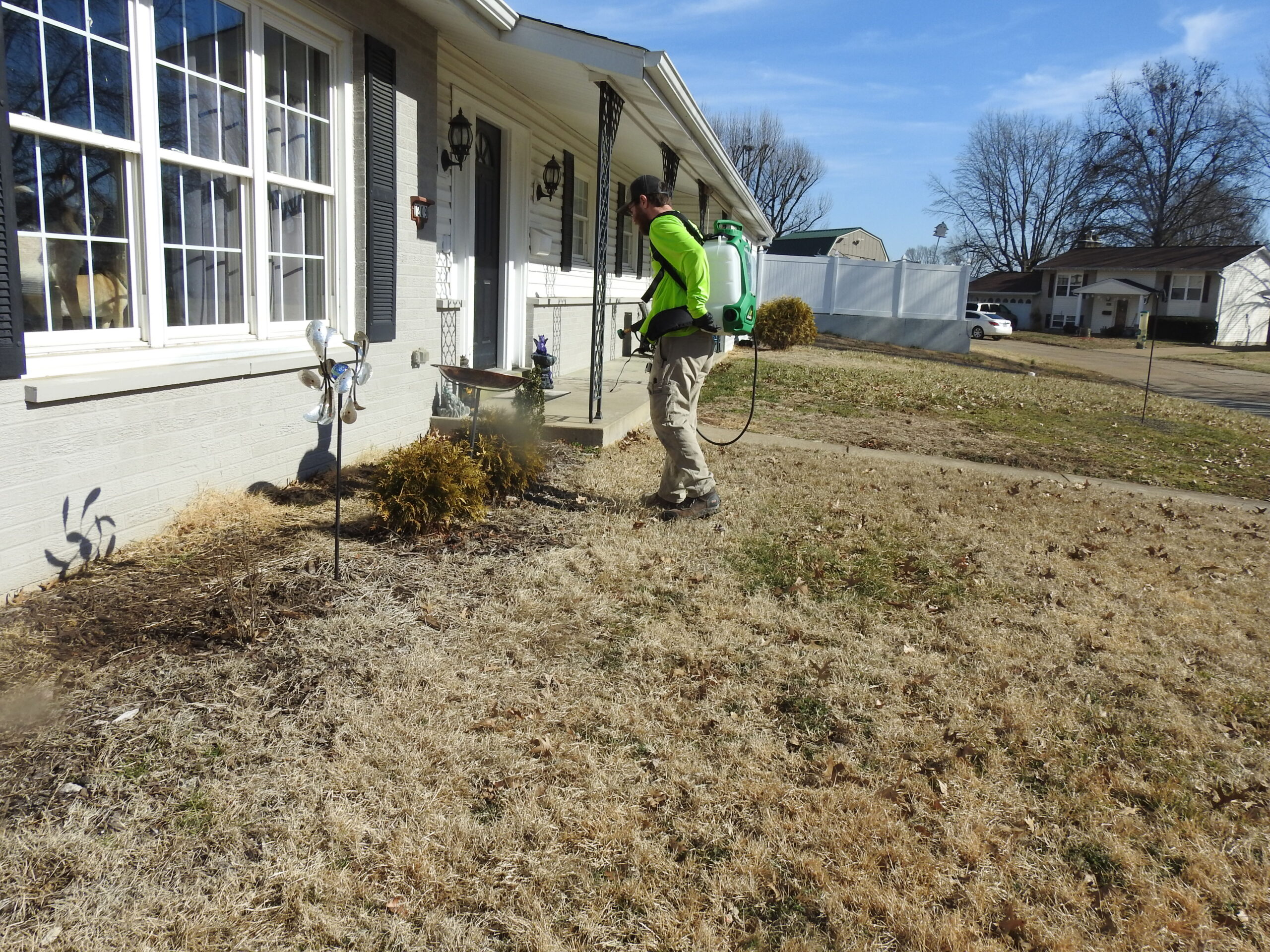
Common Ants in St. Louis
Correct species identification is the single most important step in ant control. Different species require completely different treatment strategies — using the wrong approach can actually make the problem worse.
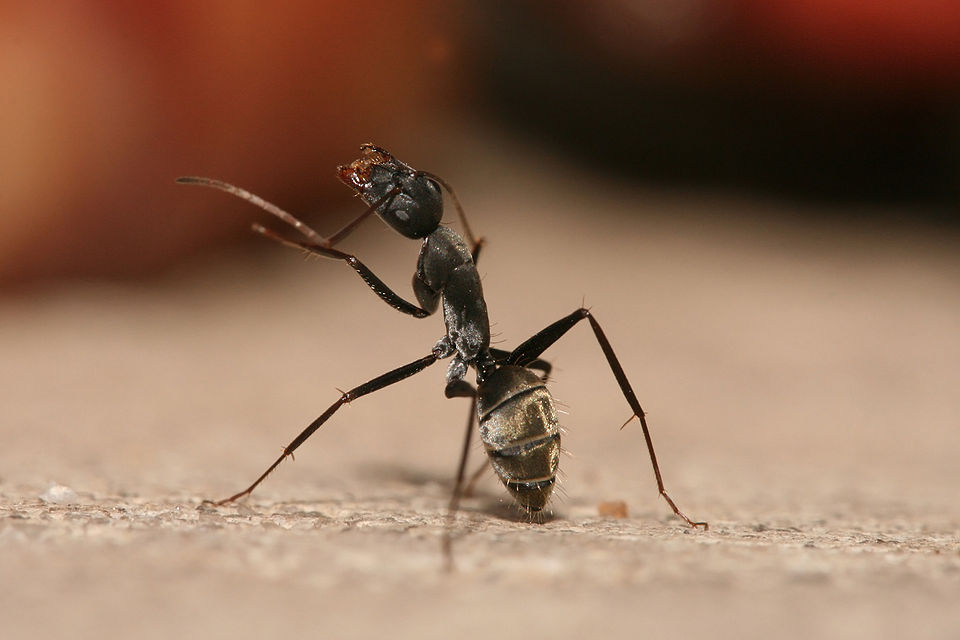
Carpenter Ant
The largest ant in Missouri (up to 1/2 inch), carpenter ants excavate wood to create nesting galleries — causing serious structural damage. Dark black, single-node petiole, elbowed antennae.
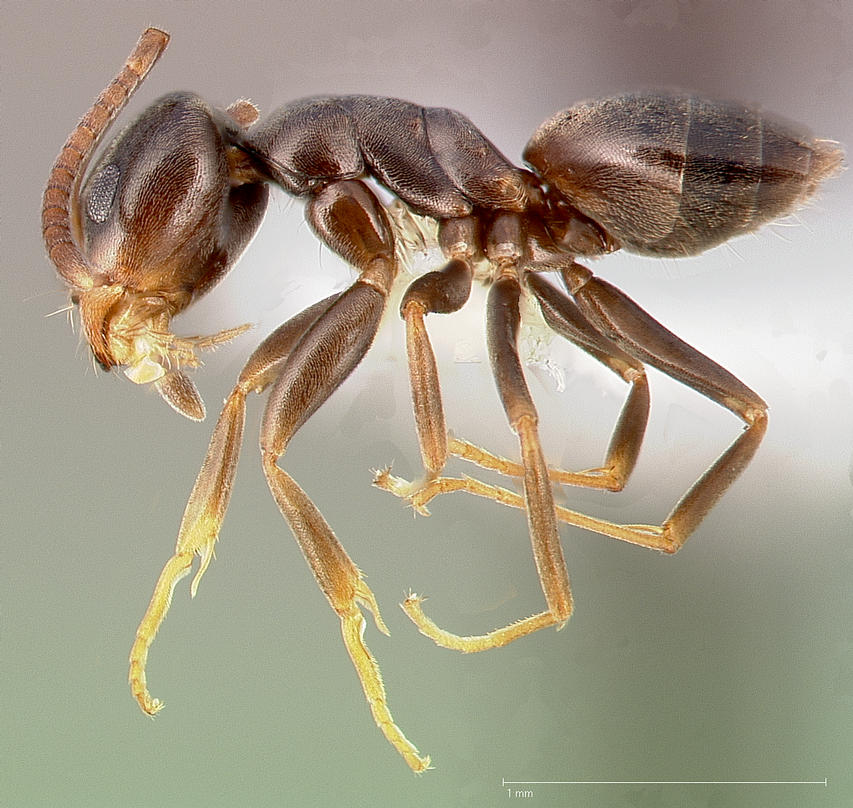
Odorous House Ant
The most common household ant in St. Louis. Small (1/16-1/8 inch), dark brown to black, produces a rotten coconut smell when crushed. Forms massive multi-queen colonies notorious for budding.
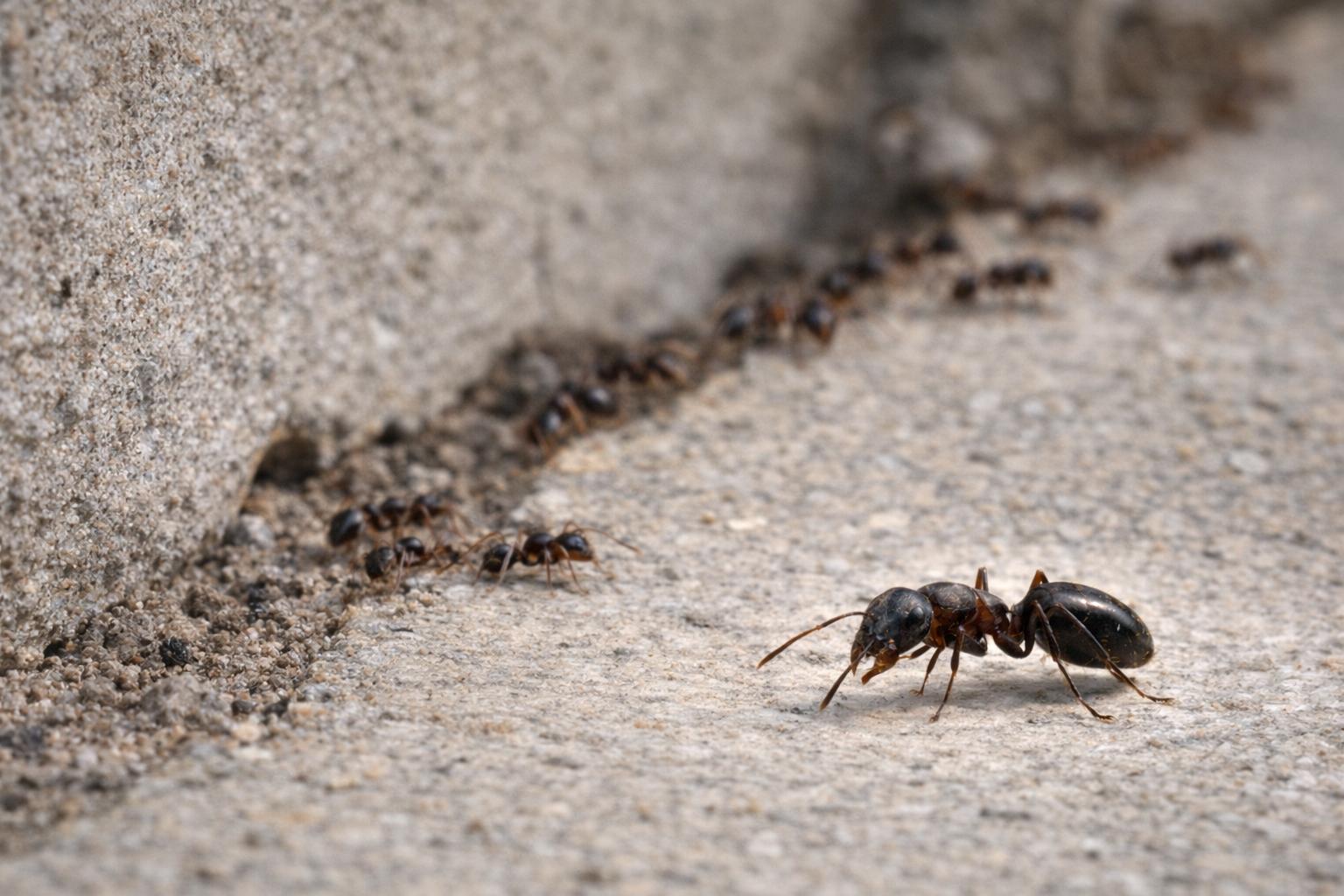
Pavement Ant
Small (1/8 inch), brownish-black, nests under sidewalks and foundation slabs. Pushes small soil mounds through cracks. Most active spring and summer.
Signs You Have an Ant Problem
Ants are social insects — if you see a few, there are thousands more you don’t see. These signs indicate it’s time for professional intervention.
Lines of ants marching along baseboards, countertops, or foundations following pheromone trails between the colony and food sources.
Fine wood shavings (frass) near wooden structures, door frames, or window sills — a telltale sign of carpenter ant activity and structural damage.
Tiny piles of displaced soil appearing in cracks along driveways, sidewalks, or foundation walls indicate pavement ant colonies nesting below.
Finding winged ants inside your home — especially in spring — signals a mature colony is reproducing and establishing new nests nearby.
Faint rustling or crinkling sounds coming from wall voids, especially at night, can indicate a large carpenter ant colony excavating wood galleries.
⚠ Why DIY Ant Control Fails
Most over-the-counter ant sprays contain repellent chemicals that actually make ant problems worse. Here’s why professional treatment is different:
Common DIY mistakes:
- Repellent sprays cause colony budding — one colony becomes many
- Surface sprays only kill foragers — the queen keeps laying eggs
- Wrong product for the wrong species wastes time and money
- Missing the main colony or satellite nests
- Bait contamination from nearby spray residues
- Ignoring moisture issues that attract colonies
Professional approach: We use non-repellent liquid treatments and targeted baits that foragers carry back to the colony, eliminating the queen and the entire nest — not just the ants you can see.
Professional Ant Treatment — 5 Steps
Every treatment is tailored to the species, severity, and specific conditions of your property.
- Comprehensive Inspection — We examine your entire property inside and out to locate colonies, satellite nests, entry points, and moisture conditions driving activity.
- Species Identification — Correct ID is critical. Carpenter ants, odorous house ants, and pavement ants each require fundamentally different treatment strategies.
- Targeted Treatment — Non-repellent liquid applications, professional-grade baits, and dust formulations placed where ants travel and nest — not just where you see them.
- Follow-Up Monitoring — We return to verify colony elimination, check bait stations, and address any remaining activity before it can rebound.
- Prevention Plan — Seal entry points, address moisture issues, and establish a maintenance schedule to keep ants from returning.
Keep Ants Out — Homeowner Tips
Inspect and seal gaps around doors, windows, pipes, and utility lines. Ants can enter through openings smaller than a pinhead.
Fix leaky faucets, pipes, and AC units. Many ant species — especially carpenter ants — are attracted to water-damaged wood and damp areas.
Keep tree branches, shrubs, and plants trimmed back from the house. Vegetation touching the structure creates direct highways for ants to enter.
Keep firewood stacked at least 20 feet from your home and elevated off the ground. Firewood is a prime nesting site for carpenter ants.
Wipe down counters, sweep floors, and store food in sealed containers. Even tiny crumbs attract foraging scouts that recruit the entire colony.
Repair any plumbing leaks promptly. Standing water and moisture attract ants and create ideal conditions for colony establishment near your home.
Frequently Asked Questions
How much does ant control cost?
Are your treatments safe for pets and children?
How long until the ants are gone?
Why do ants keep coming back after I spray?
Get Rid of Ants Today
Free Quotes. Same-day service available. 100% satisfaction guaranteed.
More Pest Control Services
Ant Control by City
Follow us on social media