



Cockroach Extermination

Cockroach Extermination & Professional Cockroach Control
German cockroaches are the #1 indoor pest in the United States. Once established, they multiply at an alarming rate — a single female can produce over 300 offspring in her lifetime. Professional treatment is the only way to break the cycle.
Licensed & Insured
Same-Day Service
Satisfaction Guarantee
Free Quotes
Common Cockroaches in St. Louis
Cockroach species behave very differently. Identifying the species is the first step to effective treatment — the wrong approach wastes time and money while the infestation grows.
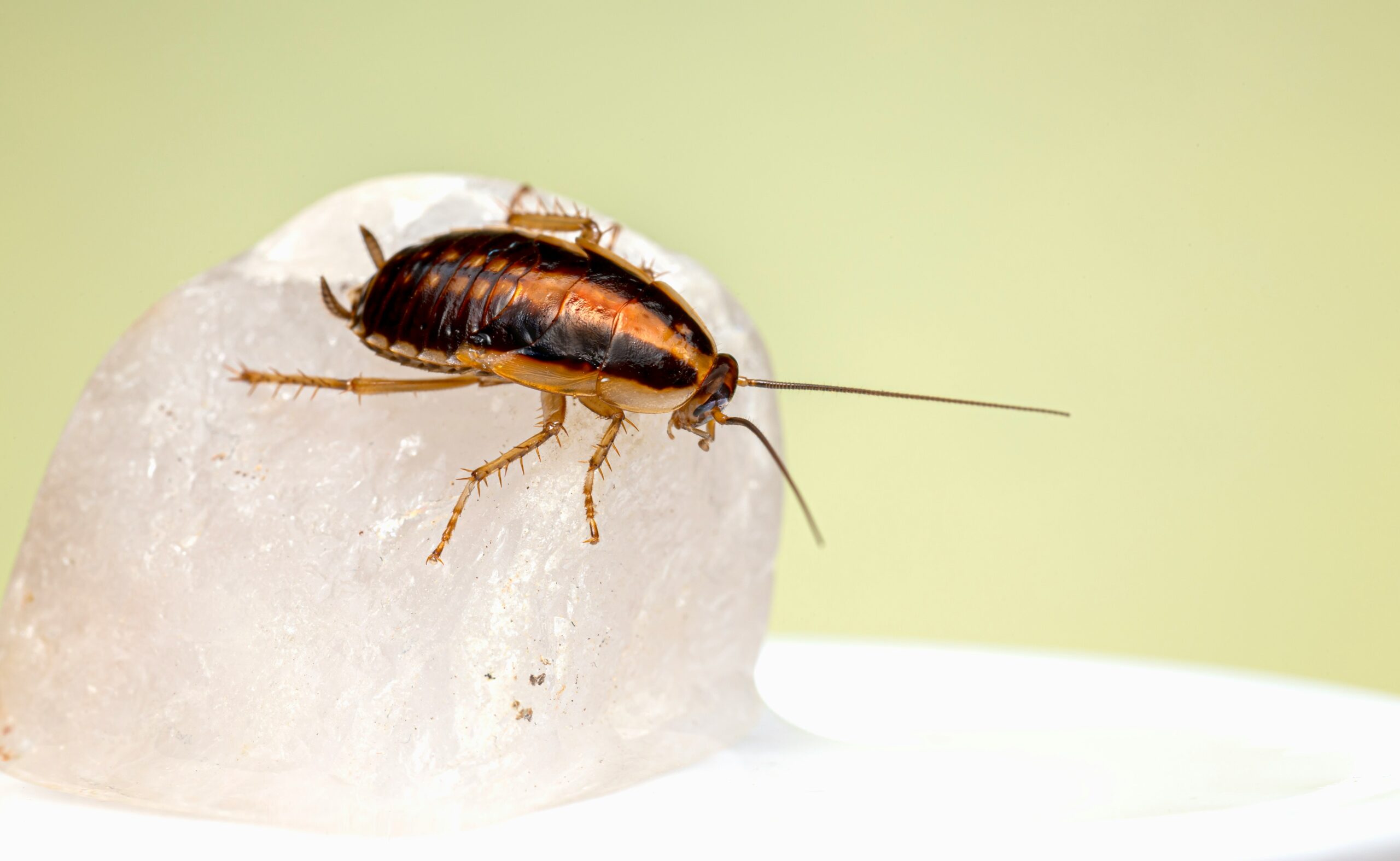
German Cockroach
Light brown/tan with TWO dark parallel stripes on the pronotum. Small (1/2 inch). Found in kitchens and bathrooms. Breeds explosively — a single pair can produce thousands in a year.
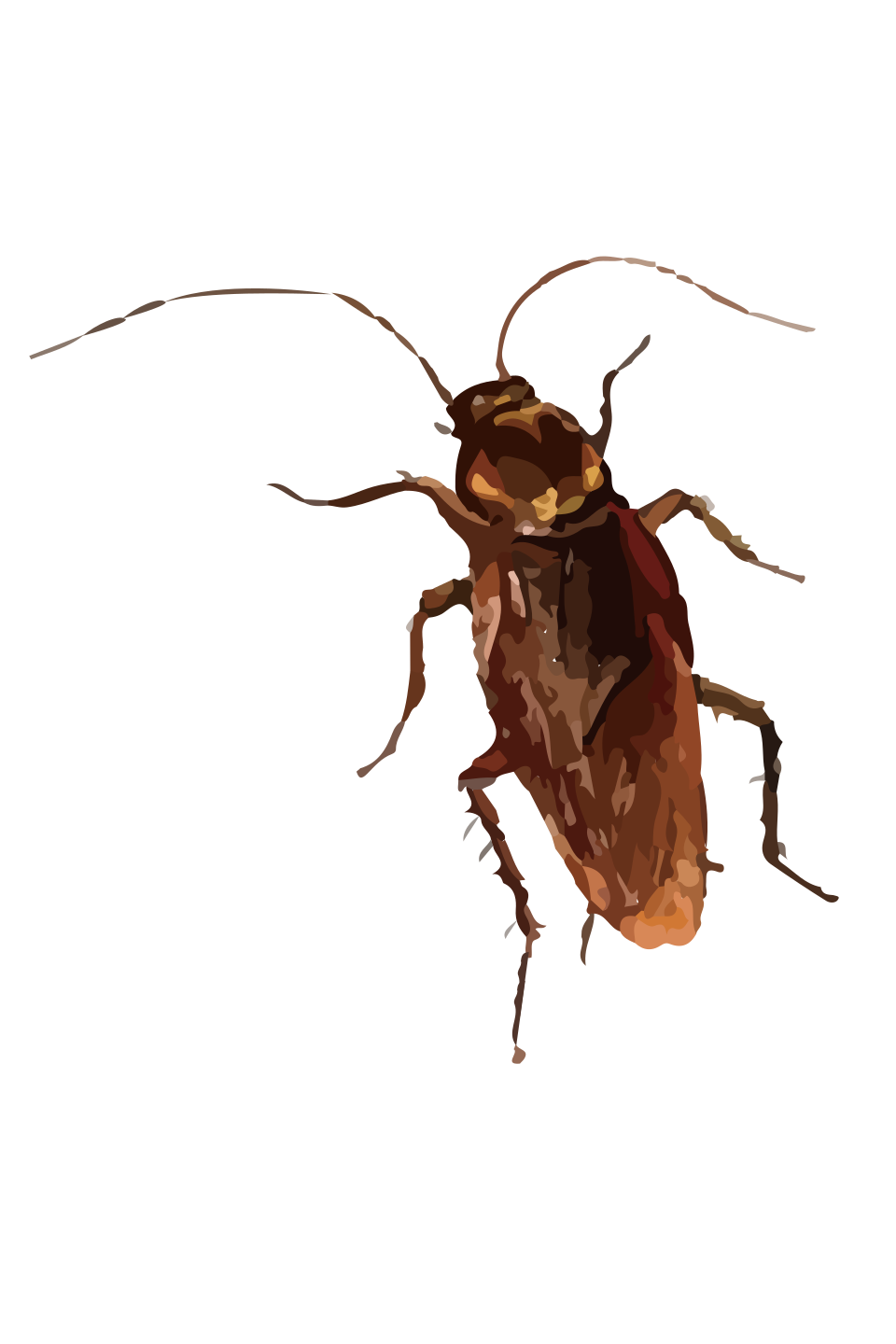
American Cockroach
The largest common cockroach (1.5-2 inches). Reddish-brown with a yellowish figure-8 pattern on the back of the head. Found in basements, sewers, and drains. Can fly short distances.

Oriental Cockroach
Dark brown to black, shiny, about 1 inch. Often called ‘water bugs.’ Found in damp basements, crawl spaces, and around drains. Strong musty odor.
Signs You Have a Cockroach Problem
Cockroaches are nocturnal and hide during the day. If you’re seeing them in the open, the infestation is likely far larger than what’s visible. Watch for these indicators.
Small dark specks resembling coffee grounds or black pepper — found in cabinets, drawers, along baseboards, and behind appliances. German roach droppings often appear as dark smears.
Brown, pill-shaped capsules about 1/4 inch long. Each contains dozens of eggs. Found glued to surfaces in hidden areas — behind refrigerators, under sinks, inside cabinets.
A strong, unpleasant musty smell that intensifies as the population grows. Cockroaches produce pheromones that create a distinctive odor in heavily infested areas.
Turning on the kitchen light at night and seeing cockroaches scatter is a classic sign of an active infestation. Daytime sightings indicate severe overcrowding.
Cockroaches molt multiple times as they grow. Translucent shed exoskeletons accumulate near harborage areas — a reliable sign of an established, breeding population.
Dark, irregular smear marks along walls, baseboards, and where floors meet walls — left by cockroaches traveling through moisture and depositing droppings along their paths.
⚠ German Roach Cleanout
German cockroach infestations require aggressive multi-phase treatment. Our cleanout protocol uses rotating chemistries to break the breeding cycle completely. Typical cleanout requires 2-3 visits over 4-6 weeks.
Why German roaches are so difficult:
- Reproduce faster than any other species
- Females carry egg cases until hatching
- Develop resistance to common pesticides
- Hide deep inside walls and appliances
- Spread allergens and trigger asthma
- Contaminate food and cooking surfaces
- Active populations can exceed thousands
- Hitchhike in groceries and deliveries
Our approach: Gel baits + crack & crevice treatment + IGR (insect growth regulators) applied in rotation to prevent resistance buildup.
Professional Cockroach Treatment — 5 Steps
Every treatment is tailored to the species and severity of the infestation.
- Inspection & Species ID — We identify the exact cockroach species, locate harborage areas, assess severity, and determine the best treatment strategy.
- Gel Bait Placement — Professional-grade gel baits placed in cracks, crevices, hinges, and harborage zones. Cockroaches feed on bait and spread it through the colony.
- Crack & Crevice Treatment — Targeted application of residual products into wall voids, behind appliances, under sinks, and along pipe penetrations where cockroaches hide.
- IGR Application — Insect growth regulators disrupt the cockroach life cycle, preventing nymphs from maturing and reproducing. Critical for breaking the breeding cycle.
- Follow-Up & Monitoring — Scheduled return visits to assess progress, reapply treatments as needed, and confirm the infestation has been fully eliminated.
Keep Cockroaches Out — Homeowner Tips
Store all food in sealed containers. Clean up crumbs and spills immediately. Don’t leave pet food out overnight. Empty trash regularly.
Cockroaches need water more than food. Repair dripping faucets, leaking pipes under sinks, and condensation around refrigerators and AC units.
Caulk gaps around plumbing penetrations, electrical conduits, and where pipes enter walls. These are primary cockroach highways between units and rooms.
Remove cardboard boxes, paper bags, and unnecessary clutter — especially in kitchens, basements, and storage areas. Cockroaches thrive in cluttered environments.
Check grocery bags, cardboard boxes, and deliveries before bringing them inside. German cockroaches frequently hitchhike into homes this way.
Regularly clean kitchen and bathroom drains. American and Oriental cockroaches use sewer and drain lines as entry points into your home.
Frequently Asked Questions
How much does cockroach control cost?
Are your treatments safe for pets and children?
How many treatments will it take?
Why do I keep seeing cockroaches after treatment?
Eliminate Cockroaches — For Good
Free Quotes. Same-day service available. 100% satisfaction guaranteed.