



Wasp & Bee Removal

Wasp & Bee Removal
Wasp and hornet nests near your home are a serious safety hazard — especially for children and anyone with sting allergies. Don’t risk it. Let our licensed professionals remove them safely.
Licensed & Insured
Same-Day Service
Satisfaction Guarantee
Free Quotes
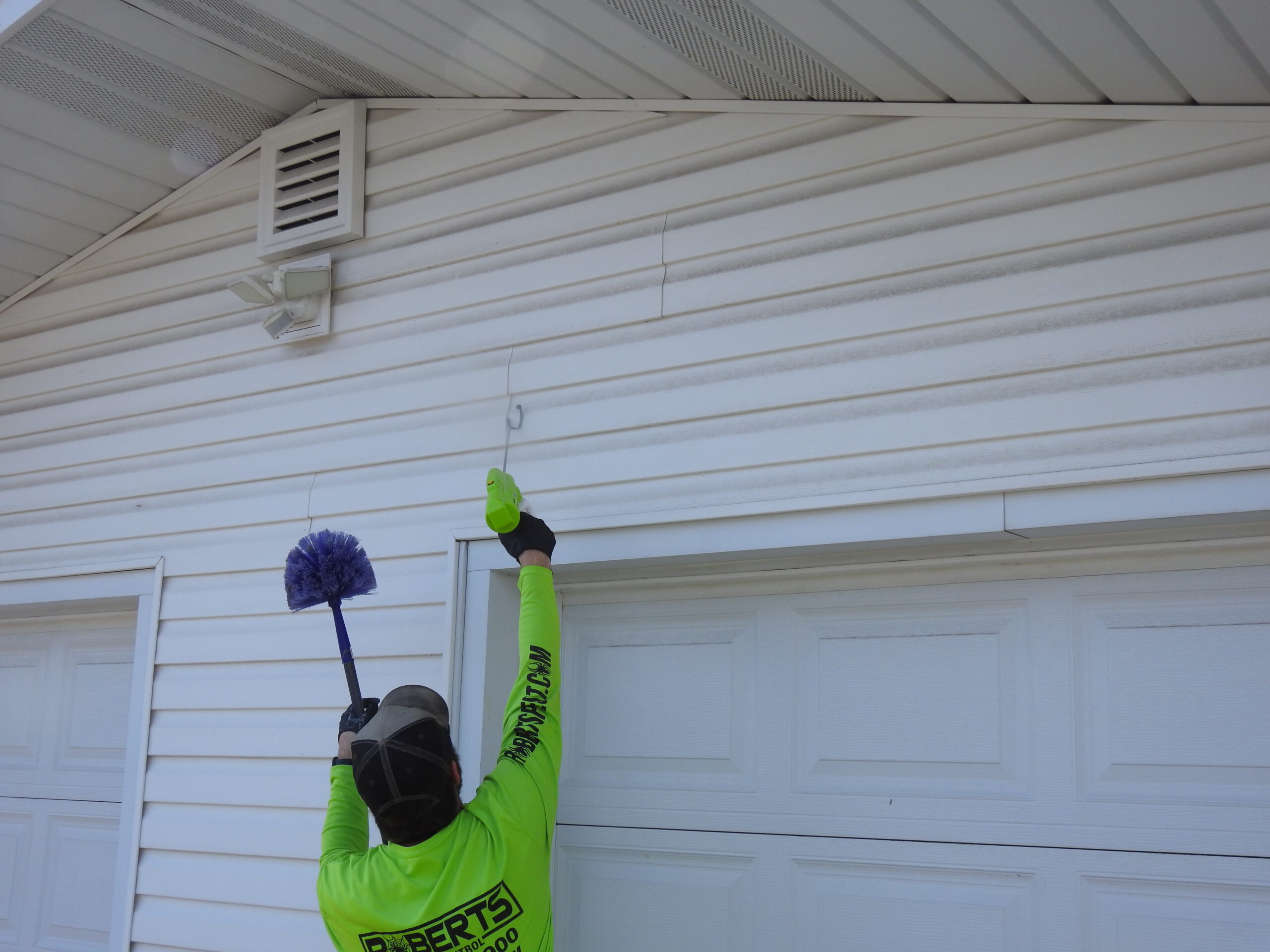
Stinging Insects in St. Louis
Not every stinging insect poses the same level of danger. Knowing which species has nested on your property determines how we approach removal — and how urgently you need it done.
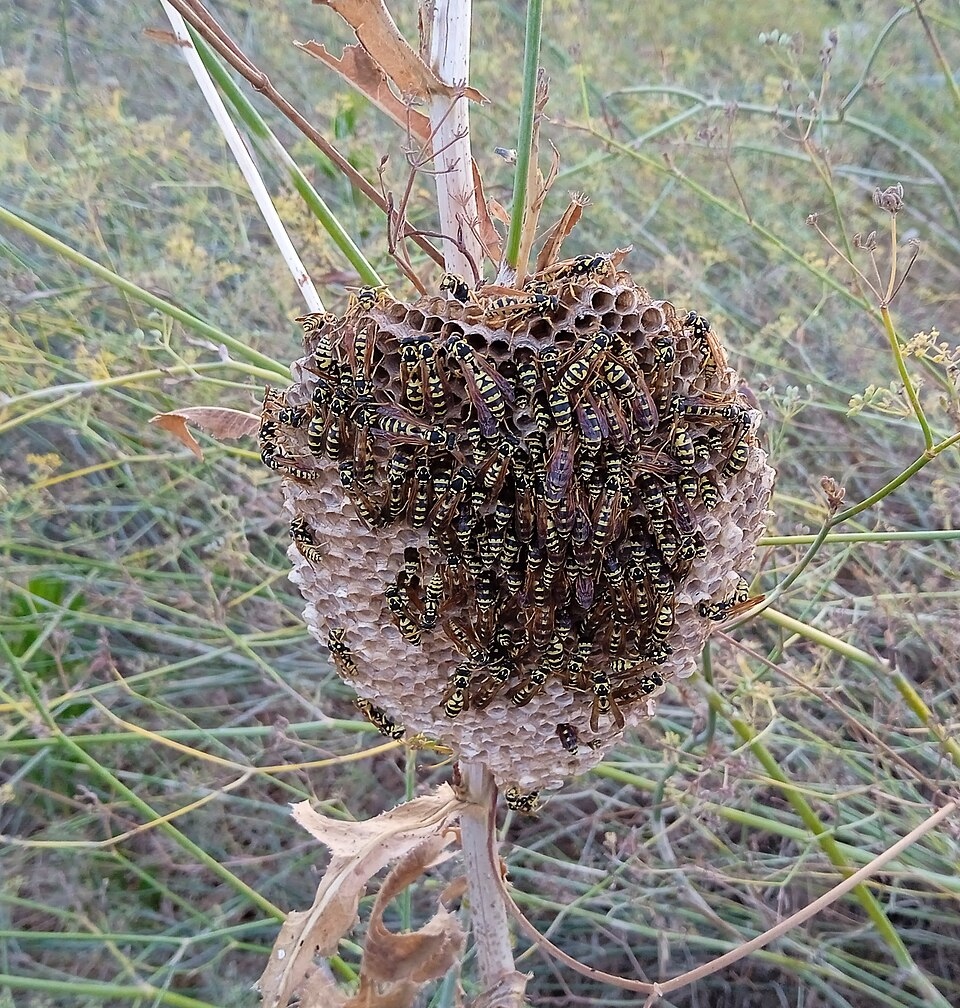
Paper Wasp
About 3/4 inch long, brown with yellow markings. Builds open, umbrella-shaped nests under eaves, porch ceilings, and deck railings. Generally not aggressive unless the nest is disturbed directly.
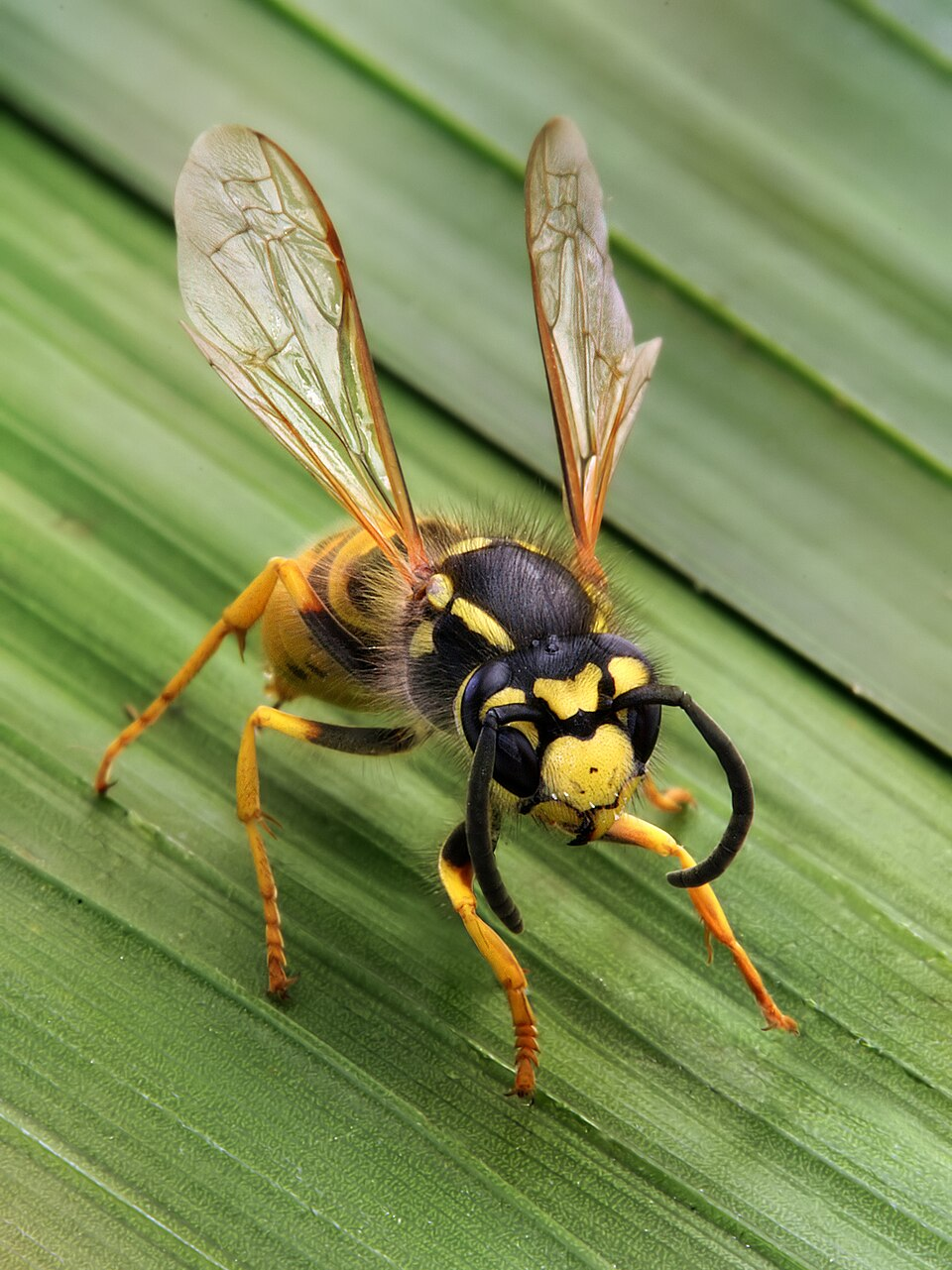
Eastern Yellow Jacket
Black and yellow, ground nesters that build colonies in abandoned rodent burrows, wall voids, and landscape timbers. Extremely aggressive when disturbed — capable of stinging multiple times without losing their stinger.
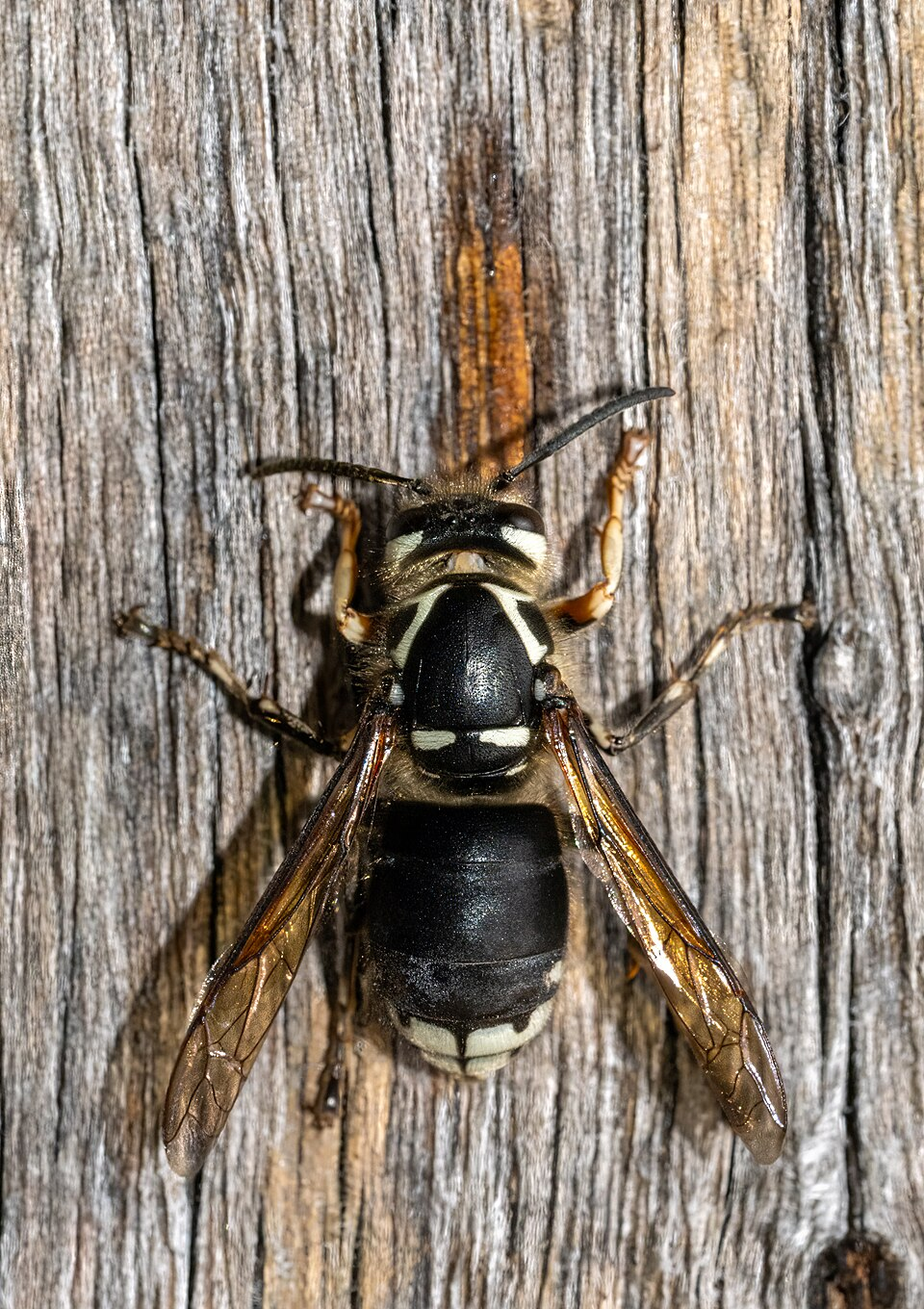
Bald-faced Hornet
Large, black and white, builds distinctive football-shaped paper nests in trees, shrubs, and under eaves. Colonies can contain 400+ workers. Will attack in swarms if the nest is threatened.
Signs You Have a Wasp or Hornet Problem
Stinging insects establish nests quickly in spring and summer. Early detection means safer, easier removal before colonies reach peak size.
Paper wasps and hornets commonly build nests in sheltered areas along the roofline, under porch ceilings, and inside open garages.
Seeing wasps disappear into gaps around siding, weep holes, or utility penetrations indicates a hidden nest inside the wall cavity.
Yellow jackets nest underground. Small holes in the lawn with steady wasp traffic — especially when mowing triggers aggressive behavior — are a telltale sign.
Wasps foraging aggressively around outdoor meals, trash cans, and sugary drinks suggest a nearby colony has grown large enough to send out scouts.
An audible humming or buzzing from inside a wall, soffit, or attic space indicates a well-established colony that needs professional attention immediately.
⚠ Sting Allergy Warning
Wasp and hornet stings can cause life-threatening anaphylaxis. If anyone in your household has a sting allergy, do NOT attempt DIY nest removal. Call us for same-day emergency service.
Signs of a severe allergic reaction:
- Difficulty breathing or swallowing
- Swelling of face, throat, or tongue
- Rapid pulse or dizziness
- Hives or rash spreading from sting site
- Nausea, vomiting, or stomach cramps
- Loss of consciousness
If stung and experiencing these symptoms: Use an EpiPen if available, call 911 immediately, and lie down with legs elevated.
Professional Wasp Removal — 4 Steps
Every nest removal is handled with the right protective equipment and species-specific approach for your safety.
- Nest Location & Species ID — We locate all nests on the property and identify the species to determine the safest, most effective treatment strategy.
- Safe Nest Treatment — Using full protective equipment, we apply targeted products directly to the nest and surrounding entry points for rapid colony elimination.
- Nest Removal — After the treatment takes full effect, we physically remove the nest structure to prevent reuse and eliminate attractants for future colonies.
- Entry Point Sealing — We seal gaps, cracks, and openings where wasps gained access to prevent recolonization in the same location.
Prevent Stinging Insect Nests — Homeowner Tips
Inspect and caulk gaps along the roofline, soffits, and fascia boards. These are the most common nest-building locations.
Keep food covered during outdoor gatherings. Wasps are attracted to proteins and sugars — especially in late summer.
Use tight-fitting lids on all outdoor garbage and recycling bins. Rinse cans and bottles before discarding.
Floral scents and bright clothing attract foraging wasps. Wear neutral colors when working near known nesting areas.
Walk the exterior of your home monthly during warm months. Catching a nest when it’s small makes removal far easier and safer.
Paper wasps and hornets are territorial. Hanging a decoy nest in early spring can deter queens from establishing colonies nearby.
Frequently Asked Questions
How much does wasp or hornet removal cost?
Can you remove honeybees?
Do you offer same-day service for wasp emergencies?
Will the wasps come back after removal?
Remove Stinging Insects Safely
Free Quotes. Same-day service available. 100% satisfaction guaranteed.