



Tick Control & Prevention

Tick Control & Prevention
Missouri is home to several medically significant tick species that transmit Rocky Mountain spotted fever, ehrlichiosis, and alpha-gal syndrome. Professional yard treatment is your best defense.
Licensed & Insured
Same-Day Service
Satisfaction Guarantee
Free Quotes
Medically Significant Ticks in St. Louis
Missouri ranks among the worst states for tick-borne illness. Knowing which ticks are in your yard is the first step toward protecting your family.
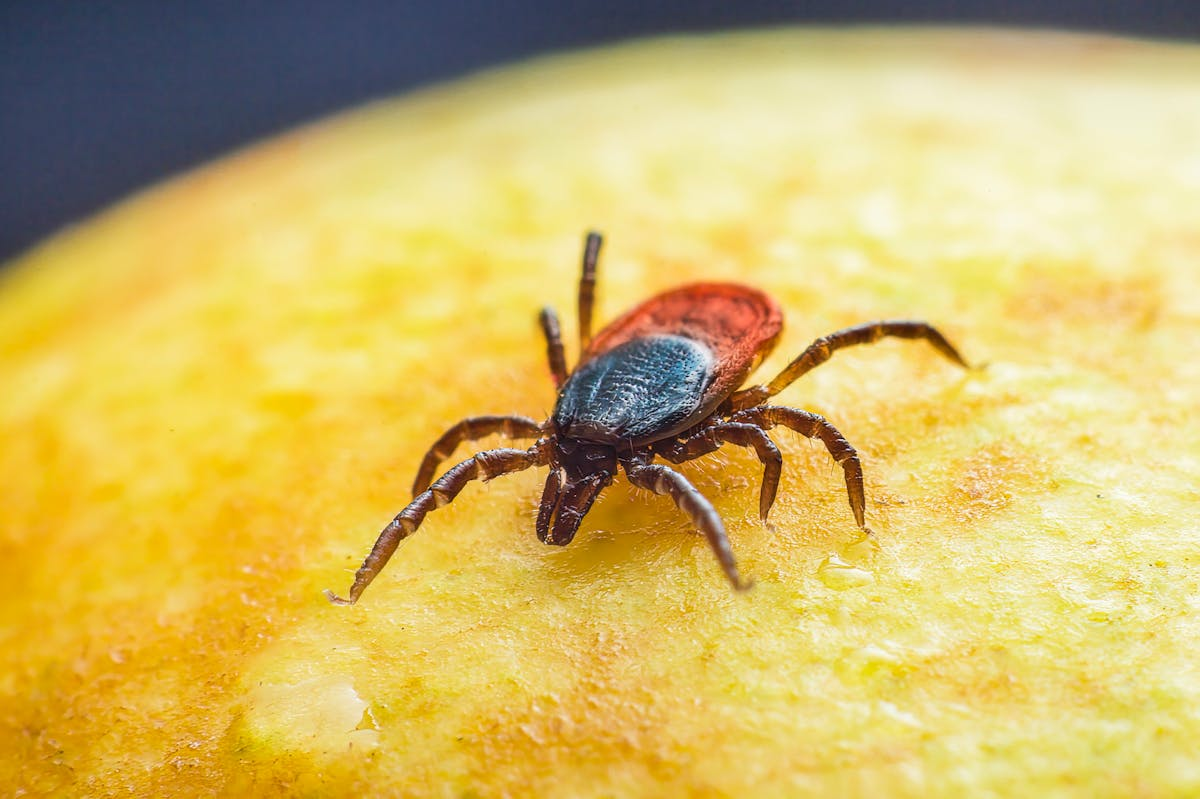
Lone Star Tick
Identified by the single white dot on the female’s back. Transmits ehrlichiosis and can cause alpha-gal syndrome (red meat allergy). Aggressive biters — will actively pursue hosts. Most common tick in Missouri.
American Dog Tick
Larger tick with ornate white/silver markings on the scutum. Primary vector for Rocky Mountain spotted fever in Missouri. Most active spring through early summer. Found in tall grass and along trails.
Signs You Have a Tick Problem
Ticks are small and easy to miss, but several indicators can reveal a growing population on your property.
Finding ticks on dogs or cats after they’ve been in the yard is one of the earliest and most reliable signs of a tick population on your property.
An expanding red rash with a central clearing after a tick bite is a hallmark sign of Lyme disease and requires immediate medical attention.
Drag a white cloth through tall grass — if ticks latch onto it, you have an active population. This simple test reveals how many ticks are present.
Properties bordering woods, brush, or unmaintained areas are at significantly higher risk for tick populations migrating into your yard.
Deer, rabbits, and other wildlife are primary tick hosts. Regular wildlife activity on or near your property means ticks are being continuously introduced.
⚠ Tick-Borne Disease Warning
Missouri ranks among the top states for tick-borne illness. Ehrlichiosis, Rocky Mountain spotted fever, and the increasingly common alpha-gal syndrome (triggered by Lone Star tick bites) are real threats. Professional yard treatment reduces tick populations by 85-90%.
Diseases transmitted by Missouri ticks:
- Ehrlichiosis (Lone Star tick)
- Alpha-gal syndrome / red meat allergy
- Rocky Mountain spotted fever
- Tularemia
- Lyme disease (blacklegged tick)
- Heartland virus
- Bourbon virus
- Southern tick-associated rash illness
If bitten: Remove tick with fine-tipped tweezers, clean with soap and water, save the tick in a sealed bag. Seek medical attention if you develop fever, rash, or flu-like symptoms within 2 weeks.
Professional Tick Treatment — 4 Steps
Our tick control program targets every stage of the tick life cycle across your entire property.
- Property Assessment — We walk your property to identify high-risk zones: wooded edges, tall grass, leaf litter accumulation, and wildlife trails.
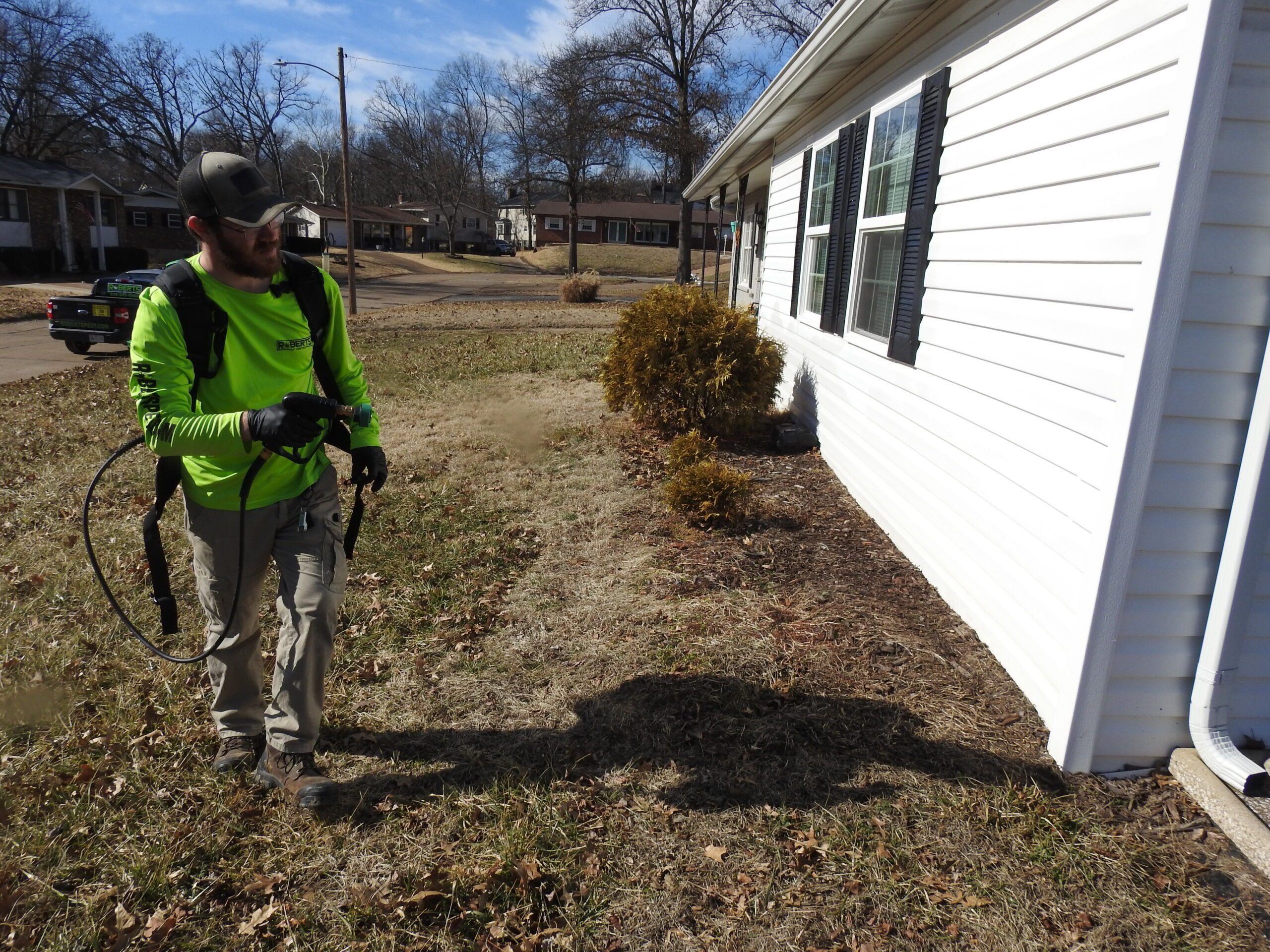
- Perimeter Barrier Treatment — Residual products applied along the property perimeter and transition zones between lawn and wooded areas to create a protective barrier.
- Targeted Yard Application — Focused treatment of tall grass areas, tree lines, brush, fence lines, and shaded zones where ticks harbor and wait for hosts.
- Ongoing Seasonal Program — Monthly treatments from spring through fall to maintain protection during the entire tick season. We adjust timing and products as conditions change.
Reduce Tick Risk — Homeowner Tips
Mow regularly and keep lawn trimmed to 3 inches or less. Ticks thrive in tall grass where humidity stays high at ground level.
Rake and remove leaf litter from under trees, along fences, and at woodland edges. Leaf litter is prime tick habitat.
Place a 3-foot wide barrier of gravel or wood chips between your lawn and wooded areas. Ticks are less likely to cross dry, open ground.
Dogs and cats bring ticks indoors. Use veterinarian-recommended tick prevention products year-round for best protection.
When walking through tall grass or wooded areas, wear long sleeves, long pants tucked into socks, and use EPA-registered repellents.
Do a full body tick check after spending time outdoors. Pay special attention to hairline, behind ears, underarms, and waistband.
Frequently Asked Questions
When should I start tick treatment?
How often do you treat for ticks?
Is the treatment safe for pets and kids?
Protect Your Family from Ticks
Free Quotes. Same-day service available. 100% satisfaction guaranteed.