



Spider Control & Brown Recluse Removal

Spider Control & Brown Recluse Removal
Missouri ranks among the top states for brown recluse populations. If you live in the St. Louis metro, professional spider control isn’t a luxury — it’s a necessity.
Licensed & Insured
Same-Day Service
Satisfaction Guarantee
Free Quotes
Dangerous & Common Spiders in St. Louis
Not every spider is a threat, but in the St. Louis region the stakes are higher than most places. Missouri sits squarely in the heart of brown recluse territory.
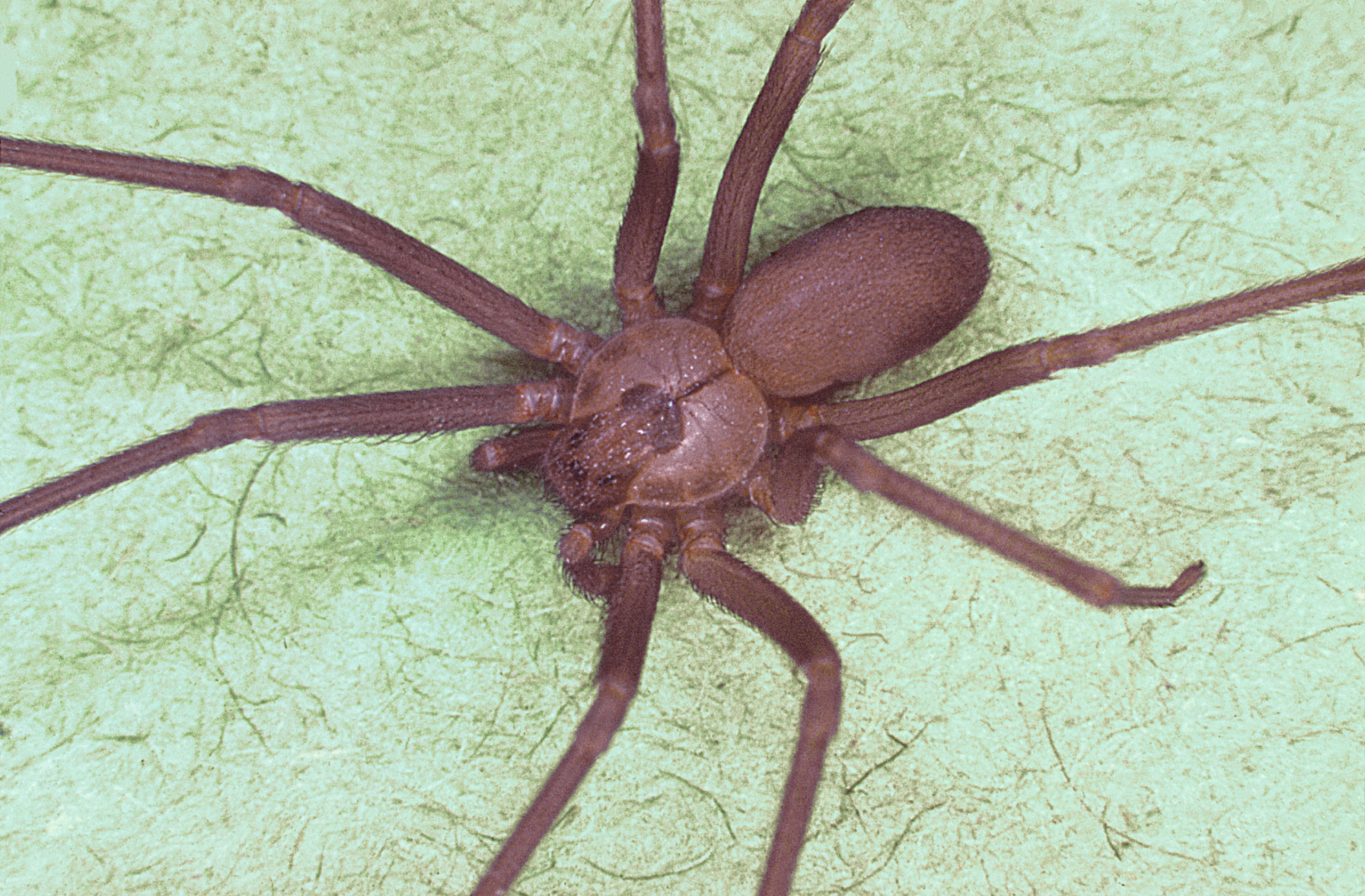
Brown Recluse
Identifiable by the dark violin-shaped marking on its back and six eyes in three pairs. Bites can cause necrotic lesions requiring medical attention. The most medically significant spider in St. Louis.
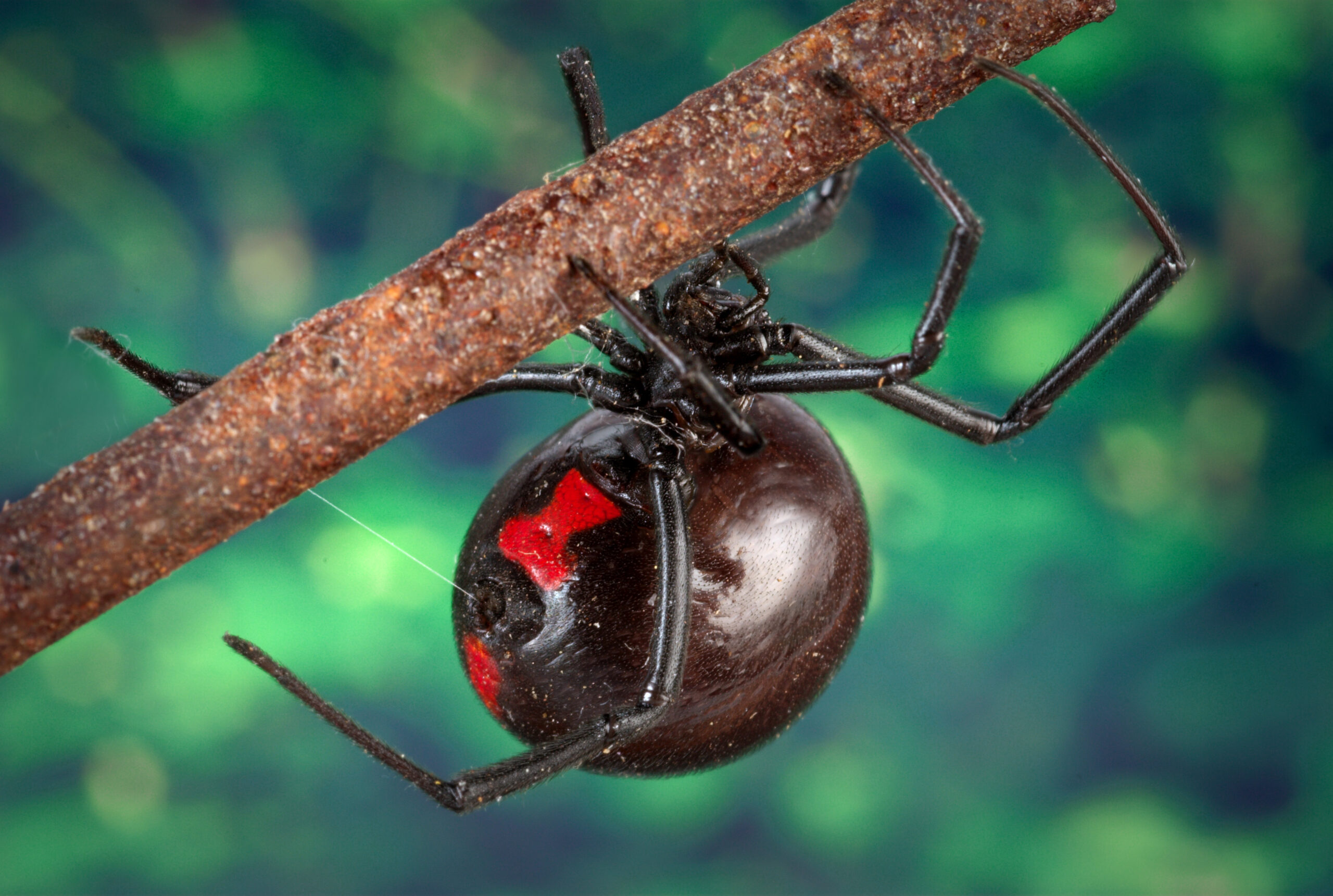
Black Widow
Recognizable by the iconic red hourglass marking. Less common than brown recluses but found in garages, sheds, and woodpiles. Venom is a neurotoxin — bites require immediate medical attention.

Wolf Spider
Large, hairy, and fast — up to two inches. Despite their intimidating appearance, wolf spiders are not medically dangerous. They hunt prey on foot rather than building webs.

Common House Spider
Small, tan or brown spiders that build messy cobwebs in corners and window frames. Completely harmless. Heavy infestations may indicate a larger pest problem attracting them indoors.
Signs You Have a Spider Problem
Spiders are secretive creatures. A single sighting doesn’t always mean infestation, but several of these signs together should prompt a professional inspection.
Cobwebs accumulating faster than you can remove them — especially in basements, garages, and attics — indicate an active, growing population.
Small, round, silk-wrapped sacs attached to webs or hidden in dark crevices. Each can contain hundreds of spiderlings.
Seeing spiders regularly — especially during daytime — suggests the population has grown large enough that competition is pushing them into the open.
Translucent shed exoskeletons in closets, along baseboards, or in storage areas — a reliable indicator of an established infestation.
Waking up with small, red, swollen bites that blister or develop a dark center may indicate brown recluse activity. Seek medical attention.
⚠ Brown Recluse: St. Louis’s Most Dangerous Spider
Brown recluse spiders carry a cytotoxic venom that destroys skin and tissue. A significant percentage of bites develop into necrotic wounds that can take months to heal.
Where they hide in your home:
- Cardboard boxes in storage
- Inside shoes and boots
- Behind dressers and headboards
- Attic insulation and rafters
- Crawl spaces and basements
- Folded linens and clothing
- Garage clutter and tool areas
- Behind wall-mounted pictures
If bitten: Clean with soap and water, apply cold compress, seek medical attention promptly. Capture or photograph the spider if possible.
Professional Spider Treatment — 5 Steps
Every treatment is tailored to the specific conditions of your home.
- Thorough Inspection — We examine your entire home to identify species, locate populations, find entry points, and assess conditions.
- Web & Egg Sac Removal — Physical removal of all visible webs and egg sacs, forcing spiders to relocate into treated areas.
- Targeted Interior Treatment — Residual products in cracks, crevices, and harborage areas. Dust formulations in wall voids for brown recluse.
- Exterior Barrier Treatment — Perimeter treatment around foundation, doorways, windows, and eaves to intercept spiders before they get inside.
- Ongoing Monitoring — Professional monitors in key locations. Regular follow-ups to maintain protection year-round.
Keep Spiders Out — Homeowner Tips
Inspect exterior for gaps around doors, windows, and utility lines. Even small gaps provide easy entry.
Replace cardboard storage with sealed plastic bins. Clutter = hiding spots for brown recluses.
Pull beds a few inches from the wall. Reduces brown recluse nighttime encounters.
Always shake out shoes, boots, and clothing left on the floor. Brown recluses frequently hide inside.
Switch exterior lights to yellow bulbs. Fewer insects near entries = fewer spiders following them in.
Place glue monitors along walls in basements and closets. Check monthly to track activity.
Frequently Asked Questions
How much does spider control cost?
Are your treatments safe for pets and children?
How long until the spiders are gone?
Do I really need professional treatment?
Get Rid of Spiders — For Good
Free Quotes. Same-day service available. 100% satisfaction guaranteed.
More Pest Control Services
Spider Control by City
Follow us on social media