


Mosquito Control & Prevention
Mosquitoes in St. Louis
Missouri reports West Nile virus cases every year. Professional barrier treatment reduces populations by up to 90%.
Our St. Louis Mosquito Program
We attack mosquitoes from two directions at once. Every 30 days we treat your yard with a professional backpack mist, knocking down the biting adults resting on your property — and between visits, In2Care® Mosquito Stations keep working around the clock to break the breeding cycle. Used together, the two methods help greatly reduce the mosquito population around your home.
Backpack Barrier Misting
Adult mosquitoes don’t fly all day — they rest in cool, shaded cover: dense shrubs, tall grass, and the undersides of leaves around the front, back and side yards. We mist those harborage areas on a 30-day cycle to knock down the biting adults on contact and leave a residual that keeps working between services.
In2Care® Mosquito Stations
Misting handles the mosquitoes you can see. In2Care stations reach the ones you can’t — the hidden, cryptic pockets of standing water where mosquitoes breed. Each station turns visiting mosquitoes into carriers that spread control to those sites for you, 24 hours a day.
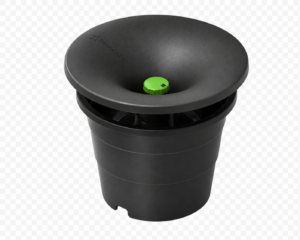
How the In2Care® Station Works
Autodissemination — the mosquito does the work.
- A female mosquito looking for water to lay eggs is drawn to the station’s scented water.
- She lands on the treated inner mesh and picks up two active ingredients on her legs and body.
- She flies back out, unknowingly carrying those actives with her.
- She visits other hidden breeding spots around your yard and contaminates the water there.
- A growth regulator stops the larvae in those spots from ever becoming biting adults.
- A naturally occurring fungus kills her within days — before she can keep breeding.
See It In Action
The Science Behind the Two-Step Approach
Why misting and In2Care work better together
Mosquitoes rest in shaded vegetation during the day and breed in standing water — and the house mosquitoes that carry West Nile virus rarely travel more than about a quarter-mile from where they hatched. In other words, the mosquitoes biting you are almost always breeding right around your own property. Treating the shaded plants where adults hide, while shutting down the nearby breeding sites, hits both ends of that short-range life cycle.*
You can help between visits: empty or refresh birdbaths, buckets, tarps, kiddie pools, flowerpot saucers, clogged gutters, and old tires at least once a week. Removing standing water is the single most effective thing a homeowner can do to keep the population down.
* Mosquito biology, adult resting behavior, and source-reduction principles per Truman’s Scientific Guide to Pest Management Operations, Ch. 14 (Flies and Mosquitoes).
Product Safety & Transparency
We believe you should know exactly what we’re using around your family and pets. Each In2Care station carries the In2Mix® sachet, which contains two active ingredients: pyriproxyfen, an insect growth regulator that keeps mosquito larvae from developing into biting adults, and Beauveria bassiana strain GHA, a naturally occurring fungus that targets adult mosquitoes. The full active-ingredient percentages, precautions and directions are in the official manufacturer documents below.
In2Care®, In2Mix®, Envu and the Envu logo are trademarks of Environmental Science U.S. LLC. Product claims and specifications per Envu; always read and follow label directions. Roberts Pest Control is an independent In2Care applicator and is not affiliated with Envu.
Common Mosquitoes in the St. Louis Area
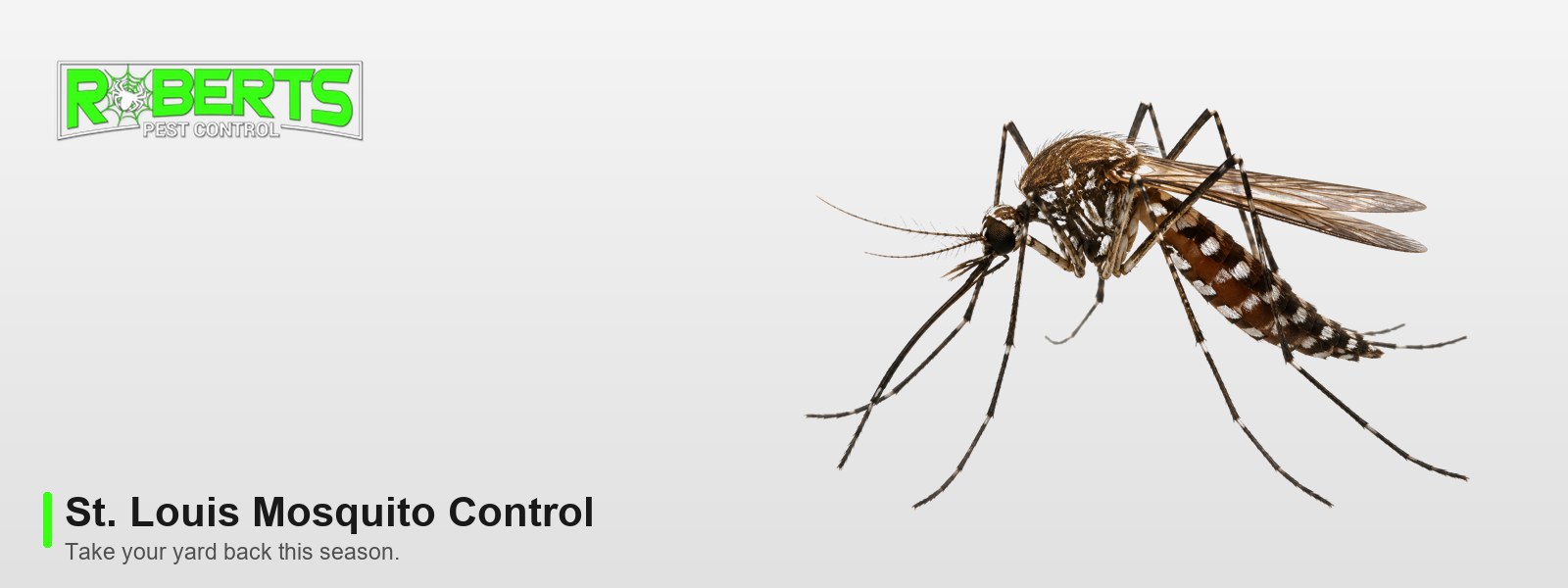
Black with white stripes. Aggressive daytime biter. Breeds in tiny amounts of standing water.
Light brown, active at dawn/dusk. Primary West Nile virus vector in Missouri.
Need Professional Treatment?
Visit our full service page for detailed treatment information, pricing, and prevention tips.
Get Help with Mosquitoes
Free Quotes. Locally owned, licensed & insured.